
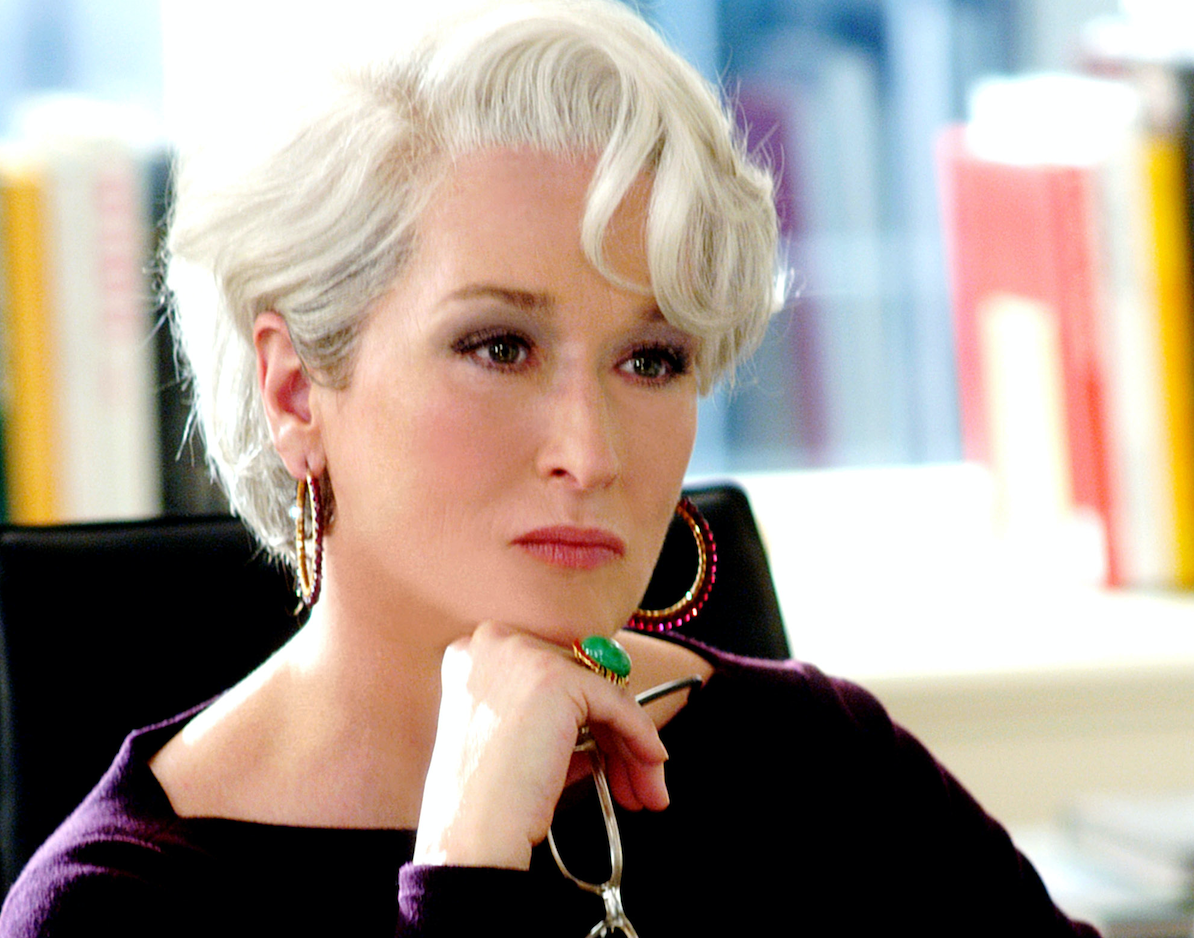


As The Devil Wears Prada 2 struts back into theaters, Hollywood’s most decorated rule-breaker reminds us why she is still the blueprint.
She Doesn’t Enter a Scene. She Changes the Temperature.
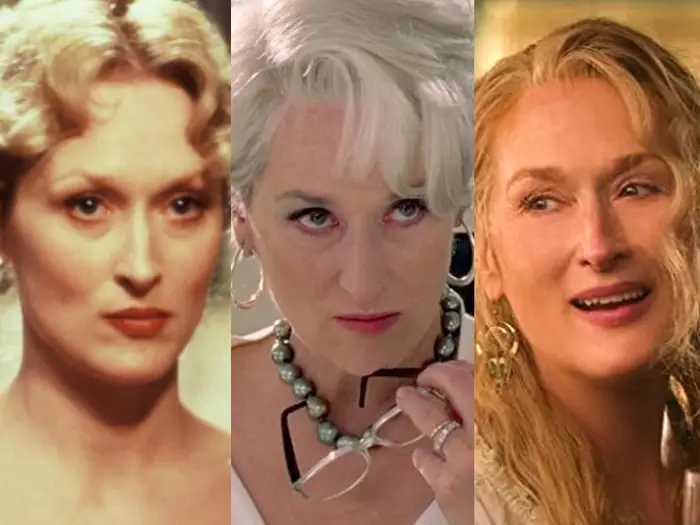
There are actresses who enter a scene.

Then there is Meryl Streep, who walks in and quietly rearranges the oxygen.
For nearly five decades, Streep has made a career out of doing the one thing Hollywood loves to tell women not to do: become more interesting with age. She has played wives, witches, editors, prime ministers, singers, survivors, monsters, saints, and women whose emotional baggage should have its own valet. And somehow, through all of it, she has never felt like an actress chasing relevance. Relevance keeps showing up at her door, hat in hand, asking if it may please come in.

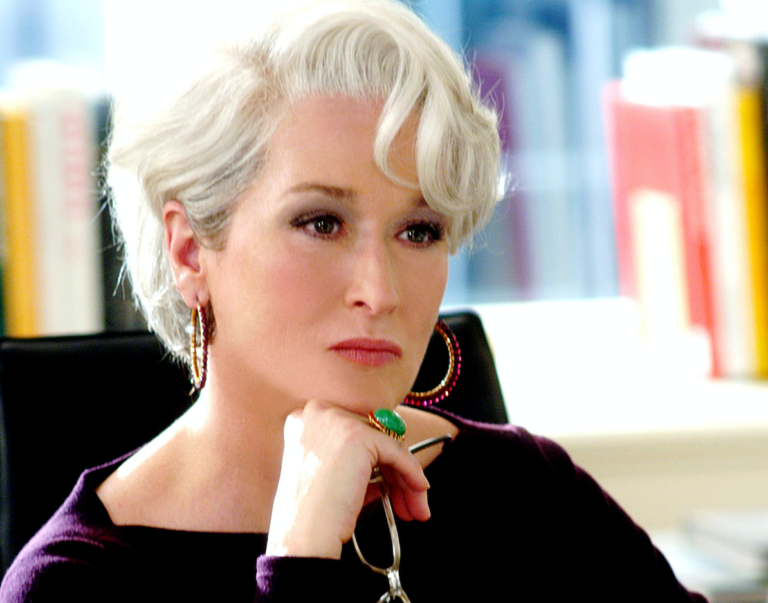
Now, with The Devil Wears Prada 2 debuting exclusively in theaters on May 1, 2026, Streep returns as Miranda Priestly, the silver-haired editor-in-chief who made whispering sound more lethal than shouting. The sequel brings back Meryl Streep, Anne Hathaway, Emily Blunt, and Stanley Tucci, with David Frankel returning to direct and Aline Brosh McKenna returning as writer.
And honestly? Of course Miranda is back. The fashion world may have changed, magazines may be fighting algorithms, influencers, layoffs, and whatever fresh horror “content strategy” has become this week — but Miranda Priestly remains the original luxury weapon.

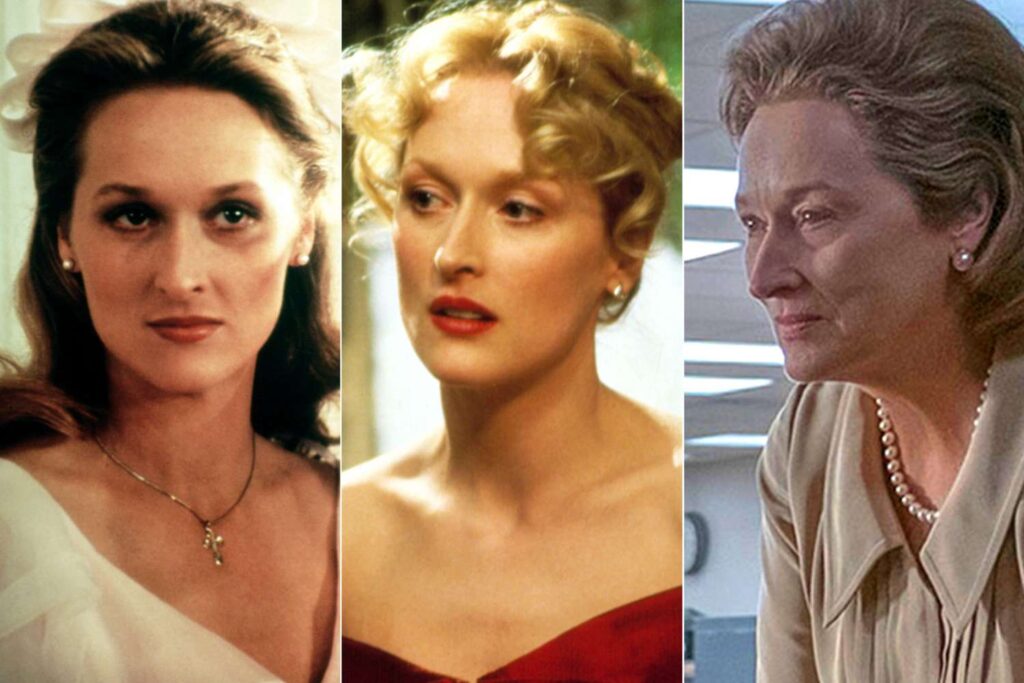
Hollywood Tried to Give Her an Expiration Date. She Sent It Back Unopened.
The thing about Streep is that she has always broken the rules, but never loudly enough for people to catch her in the act. She doesn’t smash the system with a hammer. She slips past it wearing sensible shoes, perfect posture, and a face that says, “I’ve already read the room, darling, and the room needs editing.”

Hollywood likes women to be one thing at a time. Beautiful or serious. Funny or respected. Warm or powerful. Young or useful. Streep looked at that menu and ordered everything.
She could devastate audiences in Sophie’s Choice, sharpen herself into Margaret Thatcher in The Iron Lady, float through romantic grief in The Bridges of Madison County, become deliciously theatrical in Death Becomes Her, sing through Mamma Mia!, and then turn Miranda Priestly into one of the most quoted characters in modern film without ever raising her voice above the temperature of chilled champagne.
That is not versatility. That is grand theft cinema.
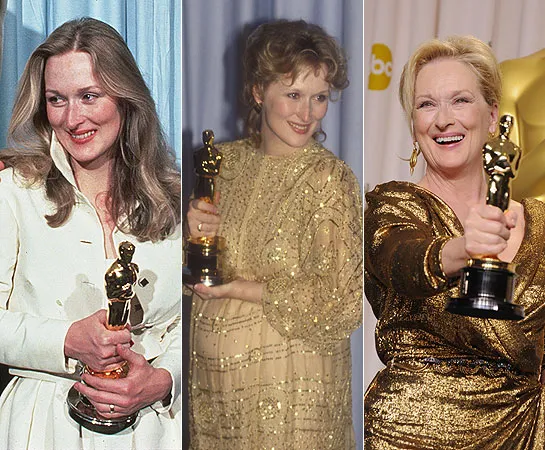
The Awards Keep Coming Because the Industry Keeps Running Out of Excuses.
Her awards record is almost rude at this point. Streep has received 21 Academy Award nominations and won three Oscars, making her the most Oscar-nominated actor in history. She has also collected major honors across film and television, including Golden Globe and Emmy recognition.

But the awards are not the most interesting thing about Meryl Streep. They are just the industry’s way of repeatedly admitting, “Fine, yes, it’s her again.”
The real miracle is that she wins by refusing to flatten herself.

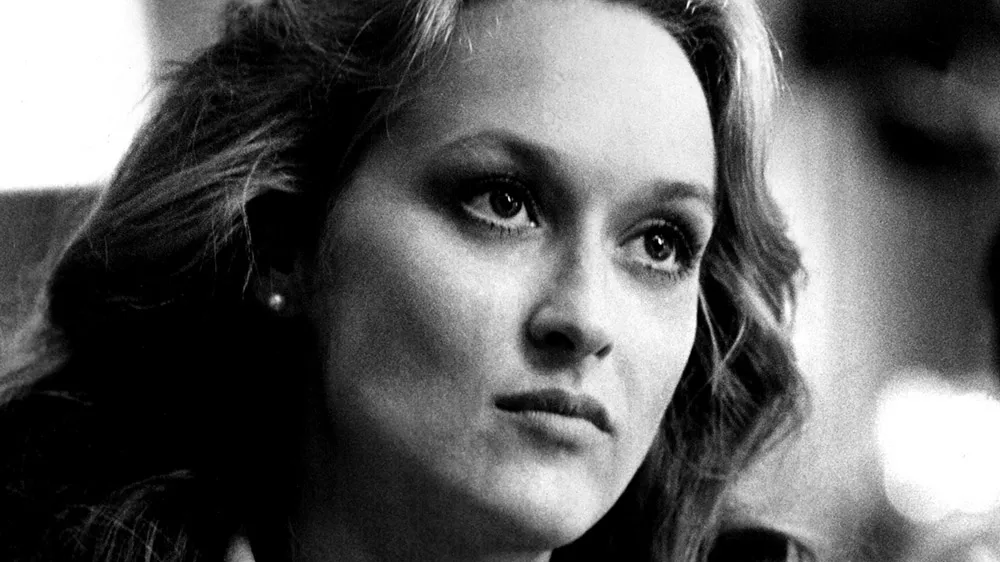
She Doesn’t Play “Strong Women.” She Plays Women Strong Enough to Be Human.
She does not play “strong women” in the lazy bumper-sticker sense. She plays women who are strong because they are complicated, vain, wounded, brilliant, petty, funny, cruel, maternal, ambitious, exhausted, seductive, and occasionally impossible before lunch.
You know — women.
Miranda Priestly could have been a cartoon villain in couture. In another actress’s hands, she might have been all icy entrances and designer insults, a walking espresso with cheekbones. Streep gave her something sharper: restraint. Miranda does not need to scream because everyone around her has already learned to panic in advance.
That is power.
Terrible power, maybe.
But power nonetheless.

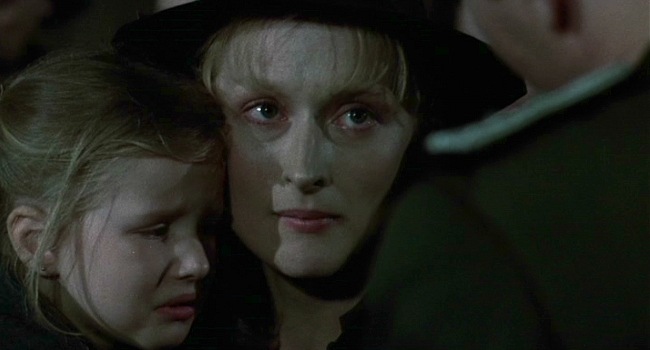
She Made Silence More Terrifying Than Screaming.
And here is where Streep broke another rule: she made audiences admire a woman they were supposed to fear.
Miranda was not kind. She was not nurturing. She did not pause the meeting to ask about your weekend. But she was exceptional. She knew it. And Streep understood the uncomfortable truth underneath the character: many powerful women are judged not only for what they do, but for failing to perform softness while doing it.
That is why The Devil Wears Prada still has teeth. It was never just about fashion. It was about ambition, labor, taste, sacrifice, and the brutal cost of entering rooms designed to make you feel lucky to be underpaid.

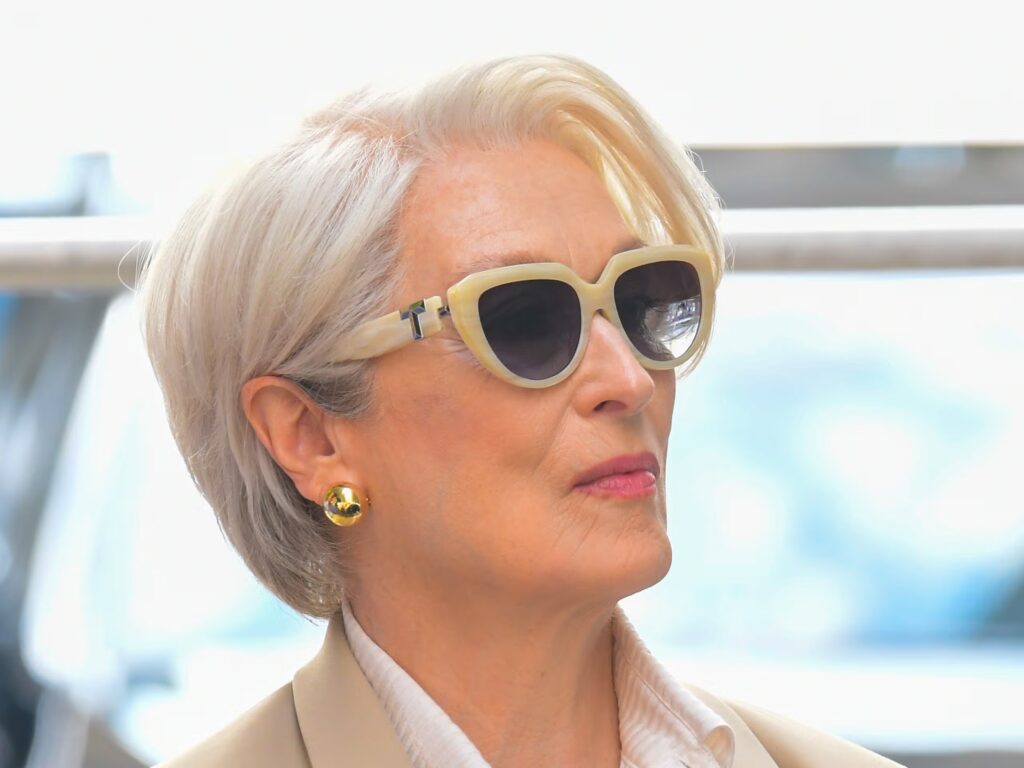
Miranda Priestly Wasn’t a Villain. She Was a Warning Label in Couture.
With The Devil Wears Prada 2, the timing is delicious. The original film arrived in 2006, when magazines still had enough power to make interns sprint across Manhattan for scarves, manuscripts, and emotional damage. Now the sequel lands in a world where print prestige has collided with social media, tech money, personal branding, and the constant pressure to turn every human feeling into a monetizable caption.
In other words, Miranda Priestly has returned to find that the entire industry has become one long staff meeting with ring lights.
That is where Streep becomes so valuable again. She is not simply reprising a famous role. She is bringing back a character who can stare down the new chaos and make it feel small.
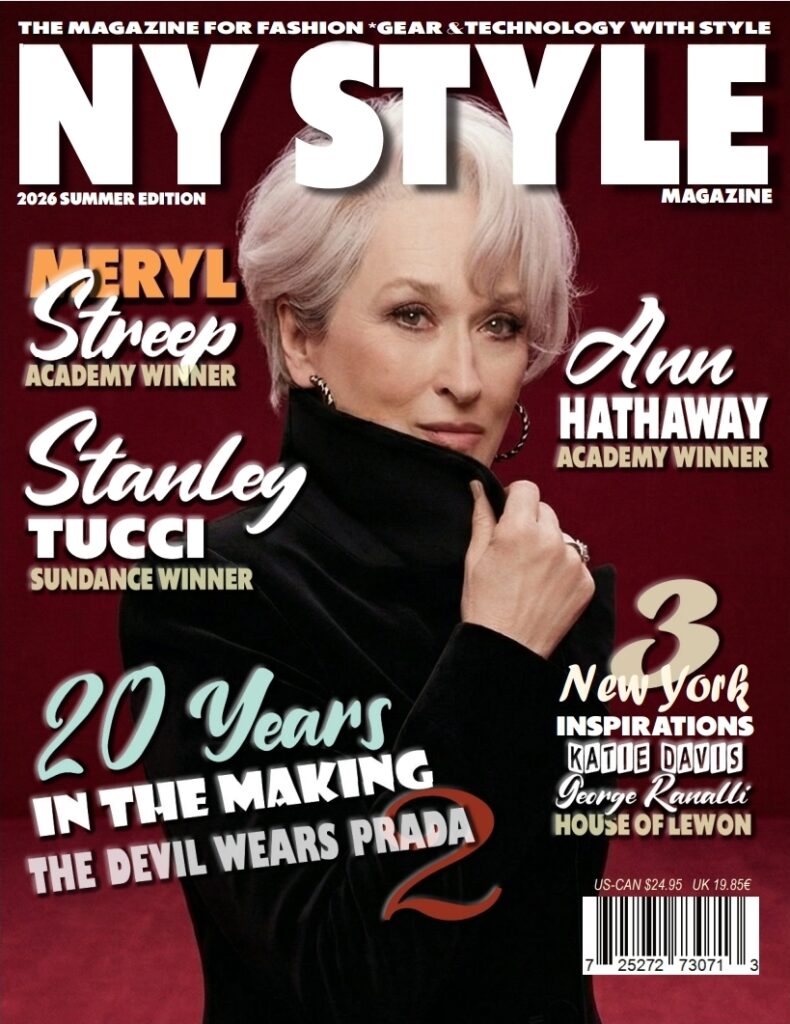
NY STYLE Magazine Summer Edition Featuring “The Devil Wears Prada 2”
Step back into the cutthroat, glamorous world of Runway with the highly anticipated The Devil Wears Prada 2 Collector’s Issue of NY Style Magazine! Featuring an exclusive cover shoot and interviews with the original powerhouse quartet: Meryl Streep, Anne Hathaway, Emily Blunt, and Stanley Tucci.
Streep Doesn’t Chase Relevance. Relevance Has Her on Speed Dial.
Because Meryl Streep has always understood the difference between fashion and costume, between dialogue and meaning, between performance and transformation. She does not disappear into roles by hiding. She disappears by becoming more precise than anyone else in the frame.
There is a reason she keeps getting nominated. There is a reason directors keep circling back. There is a reason audiences who were not even alive when Kramer vs. Kramer came out still know that Meryl is Meryl.
She has become both an artist and a measuring stick.
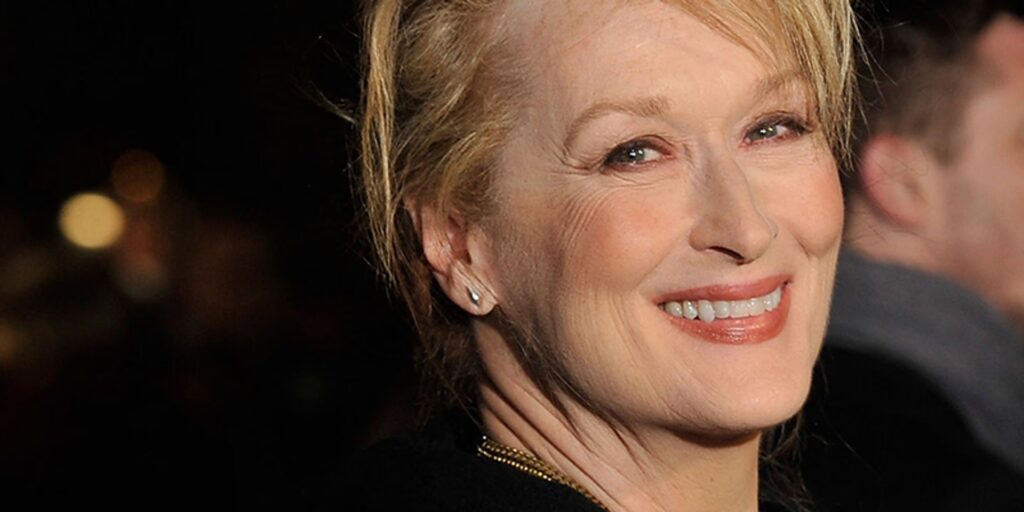
She Turned Aging Into a Career Weapon.
And perhaps that is the biggest rule she broke: she refused to age out of fascination.
Hollywood has historically treated actresses over 40 like antique lamps — lovely, respected, and mostly useful if placed tastefully in the background. Streep, meanwhile, kept taking roles with appetite. She did not become less visible. She became unavoidable.
She turned middle age into a second act.
Then a third.
Then a victory lap.
Then another career peak because apparently she had a few lying around.
The Devil Wears Prada Was Never About Fashion. It Was About Power in Heels.
Now, as Miranda Priestly returns, Streep is not just stepping back into the shoes of an iconic character. She is stepping into the cultural conversation that character helped create.
What does power look like now?
Who gets to keep it?
What happens when the old gatekeepers meet a world where everyone with a phone thinks they are the new gate?
My guess? Miranda will blink once, destroy three people with a sentence fragment, and move on.
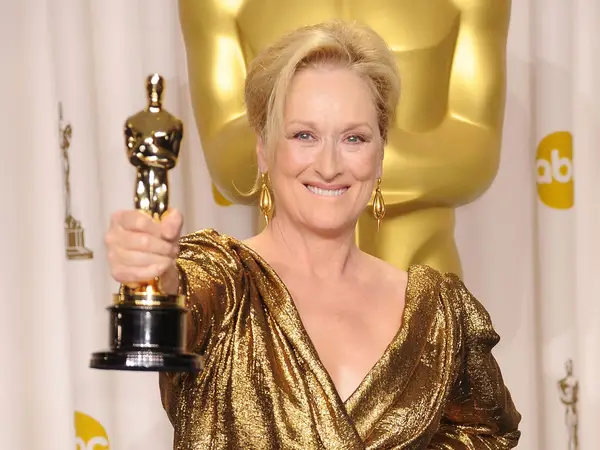
She Breaks the Rules So Elegantly, They Hand Her Trophies for the Damage.
That is the Meryl Streep effect. She breaks the rules so elegantly that by the time anyone notices, she has already won the award, thanked the crew, adjusted her glasses, and gone home.
And the rest of us?
We are still standing there, holding the coat.











+ There are no comments
Add yours