
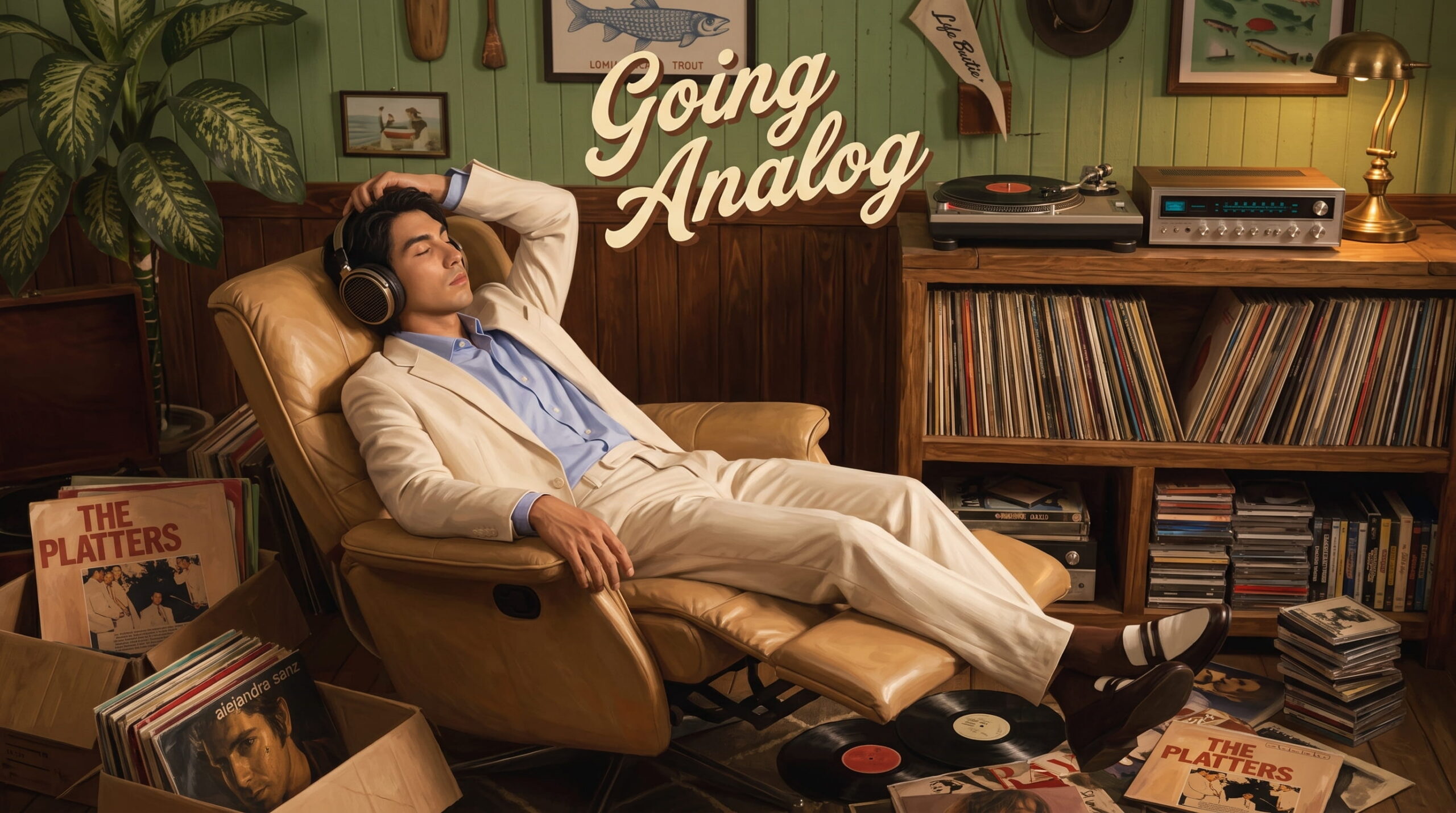


Streaming was supposed to set us free.
No more oversized cable packages. No more paying for 200 channels just to watch six. No more rearranging your evening around a television schedule designed by someone in a windowless programming office.
We cut the cord, congratulated ourselves and welcomed a cheaper, more convenient future.
Then something strange happened.
One streaming subscription became three. Three became five. Monthly prices crept upward. Commercials returned. Password sharing became a federal offense—or at least began to feel like one. The movie you wanted was suddenly unavailable, while the show you had been watching moved to another platform requiring another password and another monthly charge.
We escaped cable only to rebuild it, one app at a time.
Now a growing number of consumers are responding by reaching backward. They are buying records, CDs, DVDs, Blu-rays, printed books and older media players—not simply because these things are retro, but because they offer something increasingly uncommon in the digital economy:
Ownership.
“The tactile experience of taking a record out of a sleeve, dropping the needle, and sitting with an album is something digital simply cannot replace.”
— Jack White
The Monthly Bill That Never Ends
Streaming remains incredibly convenient. That is not in dispute. For the price of one or two physical movies, a subscriber can explore thousands of titles without giving another thought to shelf space.
The problem begins when everything you want is scattered across different services.
According to Deloitte’s 2025 Digital Media Trends survey, the average American streaming subscriber paid for four services totaling approximately $69 a month—a 13 percent increase from the previous year.
Consumers told Deloitte that $14 felt like the right price for an ad-free streaming service. The actual market average was already closer to $16. More significantly, 60 percent said that a $5 increase would make them likely to cancel their favorite service.
The discomfort is understandable. By September 2026, subscribing to eight major streaming services without advertisements or bundle discounts cost approximately $139 a month. That is more than $1,670 per year—and uncomfortably close to the cable bills many households thought they had left behind.
Even the advertising has returned.
Streaming’s early appeal included the ability to watch what you wanted without sitting through commercial breaks. Today, approximately two-thirds of streaming subscribers pay for at least one service containing advertisements, according to Deloitte’s 2026 research.
In other words, we are paying monthly fees to watch commercials again.
Cable must be sitting somewhere, smiling.
“Buy” May Not Mean Own
The bigger issue is not what streaming costs. It is what consumers receive in return.
When you purchase a DVD, it goes on your shelf. You can watch it tomorrow, lend it to a friend, sell it, give it away or rediscover it after forgetting about it for 15 years.
A digital purchase can be very different.
In 2025, customers filed a proposed class-action lawsuit challenging Amazon’s use of the word “buy” when selling movies and television programs through Prime Video. The plaintiffs allege that the language can lead customers to believe they are acquiring permanent ownership when they are actually receiving a limited, potentially revocable license.
The case should not be treated as a final finding against Amazon. The allegations remain part of a legal dispute. But the lawsuit puts a spotlight on a distinction many consumers overlook.
You may have paid for the movie. You may see it listed among your purchases. But the platform, licensing arrangements and account are still standing between you and the thing you supposedly own.

Amazon’s terms have said that purchased digital content will generally remain available, while also acknowledging that it may become unavailable because of licensing restrictions or other reasons.
That raises a very simple question:
If a company can take it back, did you ever really buy it?
California decided consumers deserved a clearer answer. Its AB 2426 digital-goods law, which took effect January 1, 2025, requires companies to disclose when customers are obtaining a revocable license instead of unrestricted ownership.
The law applies to digital movies, music, books, games and other downloadable media. It specifically addresses the use of words such as “buy” and “purchase.”

“When you purchase a digital good, you should get what you pay for,” California Assemblymember Jacqui Irwin said when the legislation was signed.
It is remarkable that such an obvious statement required a new law.
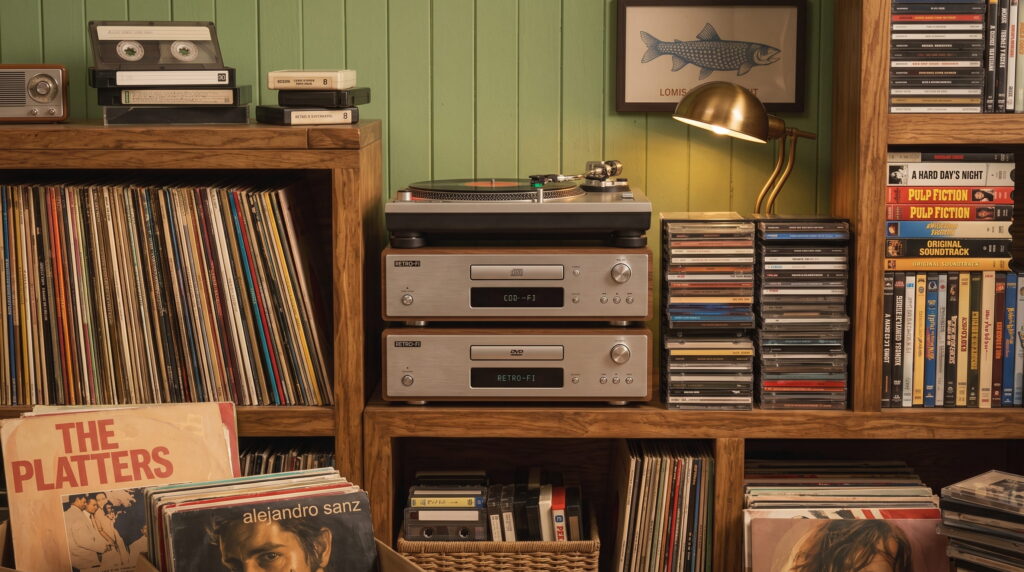
The Shelf Is Making a Comeback
Streaming still dominates entertainment. Physical media is not preparing to overthrow Netflix, Spotify or the rest of the digital kingdom.
But the shelf is no longer surrendering without a fight.
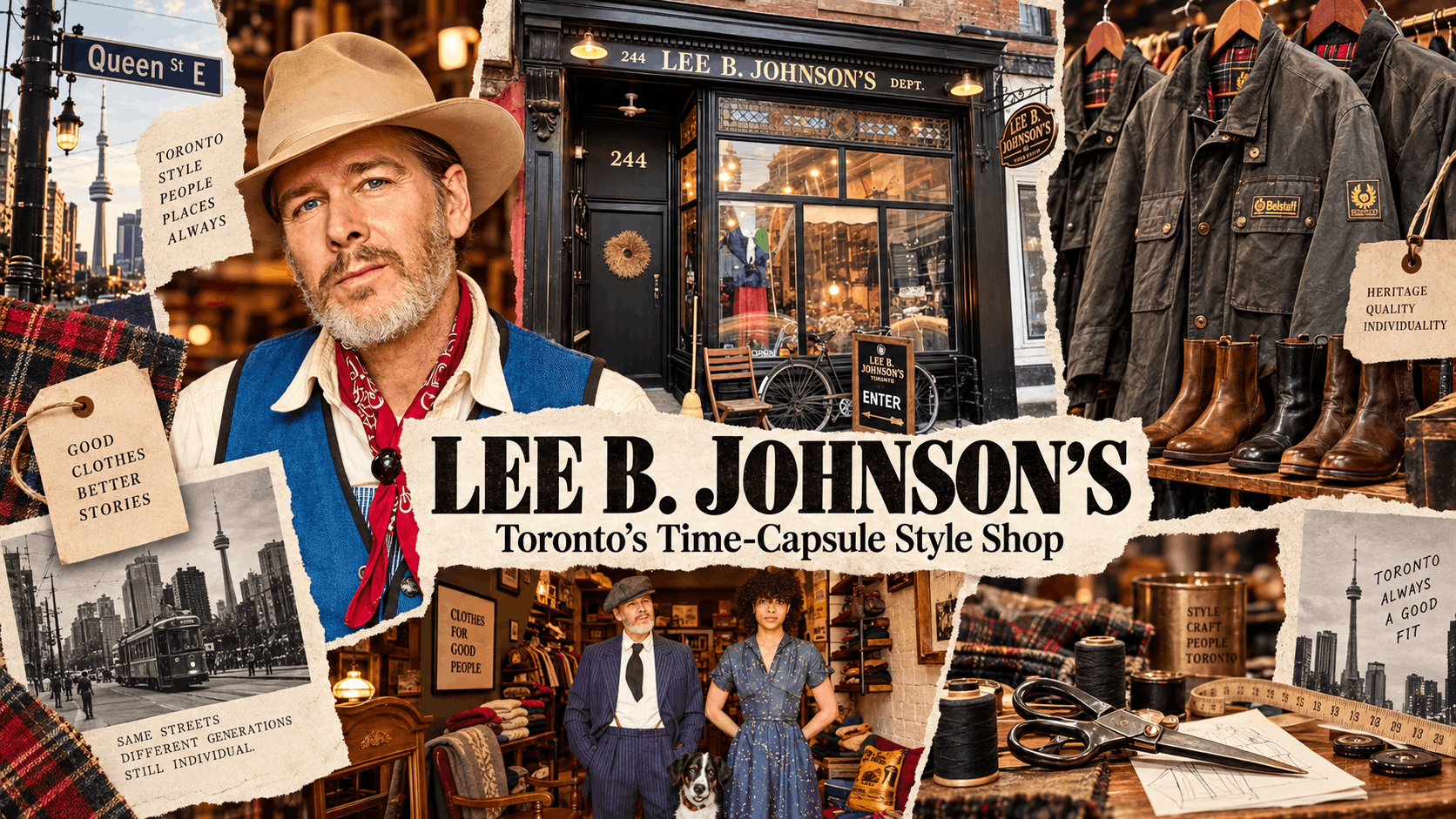
When you hold an album in your hand, you’re holding the artist’s intent on the order and emotional ride of the song list. It suppose to be a journey.
Patrick King, owner of Lee B. Johnson’s
Vinyl has already completed one of the most improbable comebacks in consumer culture. According to Recording Industry Association of America data, American vinyl revenue exceeded $1 billion in 2025 for the first time since 1983. It marked vinyl’s 19th consecutive year of growth.
The more surprising revival may be happening with CDs.
A 2026 report from The Washington Post cited Luminate figures showing that U.S. CD sales increased 16 percent during the first half of the year, reaching 16.3 million units and outpacing vinyl’s growth during the same period.
K-pop collectible editions account for part of that jump, but not all of it. Even after removing major K-pop releases from the calculation, CD sales reportedly increased by nearly 7 percent.
Some buyers are returning for the sound. Others like the lower prices of used CDs. Younger listeners are discovering lyric booklets, photographs and liner notes that previous generations once considered ordinary.
“CDs are not just about ownership for me,” 31-year-old collector Michael Swalberg told The Washington Post. “It’s about addressing a fundamental need to interact.”
That interaction matters.
Selecting a CD, removing it from the case and reading the booklet while the album plays is a different experience from asking an algorithm to supply background music. One is an activity. The other can become digital wallpaper.
DVDs Aren’t Dead—They’re Becoming Personal
DVD and Blu-ray sales present a more complicated picture.
Overall American spending on DVDs, Blu-rays and 4K discs fell approximately 9 percent in 2025. Physical movies are therefore not experiencing the same broad commercial revival as vinyl.
But buried inside that decline is a devoted and increasingly visible collectors’ market. Sales of 4K UHD Blu-rays reportedly increased by approximately 12 percent in 2025, while the overall decline in physical video slowed considerably.
Film lovers are not necessarily trying to own every movie ever made. They are building smaller, more personal libraries containing the movies they never want to search for again.
That may include a favorite film, an obscure horror movie, a director’s cut, a television series that frequently moves between platforms or a special edition containing interviews and commentaries unavailable online.
A DVD does not need to negotiate a new licensing agreement. It does not leave the country. It does not move behind another paywall. It does not ask whether you are still part of the same household.
It simply waits on the shelf.
A Collection Says Who You Are
There is also something emotionally different about living with the things you love.
A shelf filled with records or movies tells a story. Visitors can see your obsessions, questionable purchases and impeccable taste—or at least the taste you would like them to believe is impeccable.
A streaming watchlist cannot do that.
Physical collections turn private consumption into a visible identity. The album covers, spines, artwork and packaging become part of the room. They can start conversations. They can be borrowed. They can be inherited.

A digital library is usually visible to one person through one account on one screen.
That difference helps explain why some younger consumers, including people who never experienced the supposed golden age of CDs or video stores, are attracted to physical media. They are not necessarily longing for a past they remember. They are looking for a more tactile and controllable version of the present.
They want fewer algorithms making choices for them. They want an endpoint. They want to finish an album or movie without being immediately pushed toward the next piece of content.
Most of all, they want the satisfaction of saying, “This is mine,” without needing to check the terms of service.
Streaming for Discovery, Physical Media for Keeps
Going analog does not have to mean canceling every subscription, throwing your smartphone into the ocean and purchasing a station wagon with a cassette deck.
The more realistic shift is selective ownership.
Streaming is excellent for discovering unfamiliar music and trying new movies. It gives consumers access to more entertainment than any personal collection could reasonably hold.
Physical media serves another purpose. It protects the things someone wants to keep.
That may be where entertainment is headed: streaming for exploration, physical media for commitment.
You stream an album to decide whether you like it. You buy the record because it has become part of your life. You watch a movie online once. You purchase the disc because you want to know it will still be there ten years from now.

Convenience and ownership do not have to be enemies. The problem comes when convenience quietly replaces ownership—and consumers do not realize what they surrendered until something disappears.
Streaming gave us access to almost everything.
Going analog is about deciding what deserves to remain ours.








+ There are no comments
Add yours