
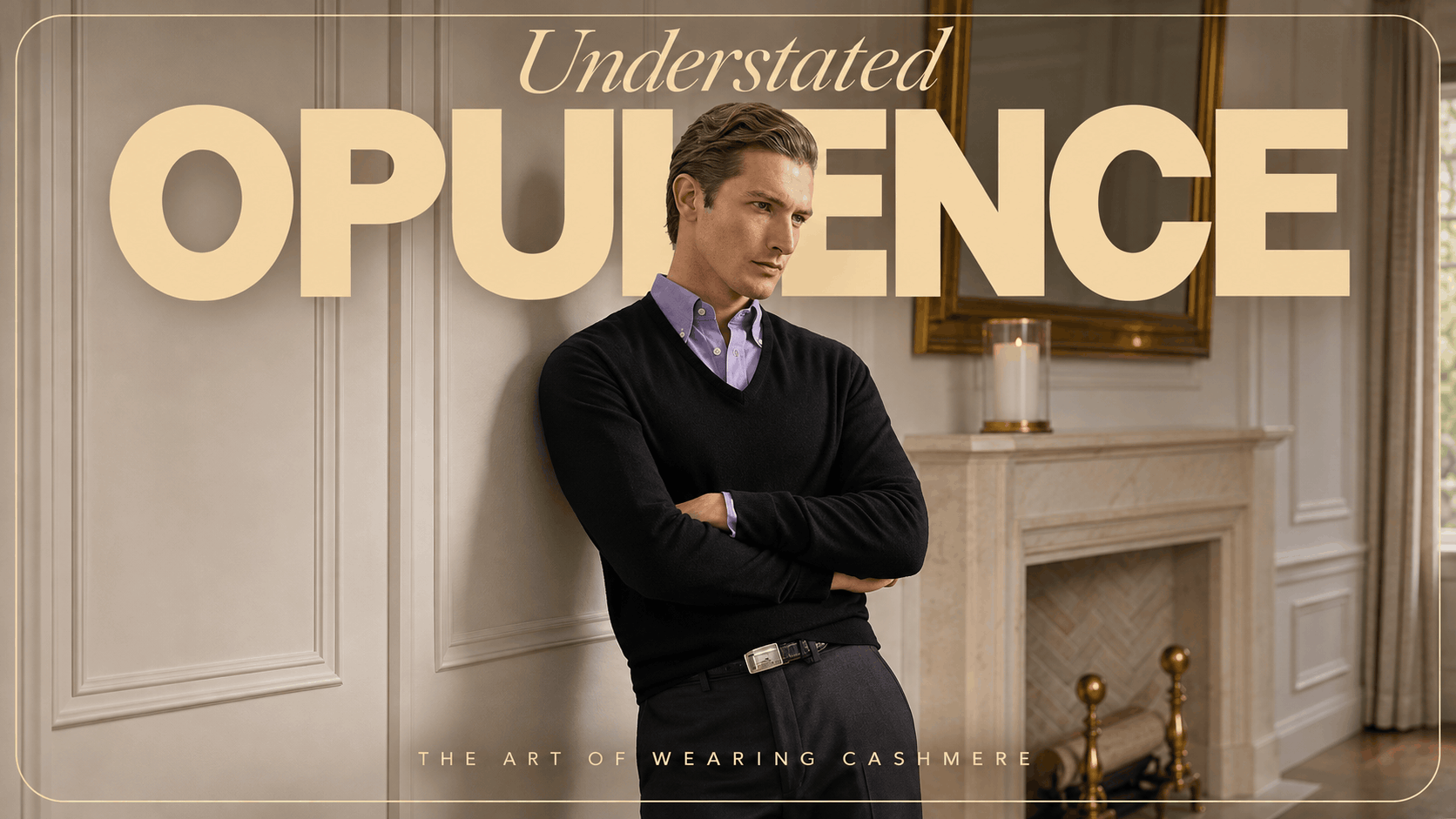
There comes a point in having money when even your sweater is no longer permitted to inconvenience you. The car is quiet. The seat is heated. Someone else is dealing with the reservation. Why, after all that progress, should your chest feel like it owes a sheep an apology?
Enter cashmere: luxury’s wonderfully persuasive argument that you deserve to be stroked by your own clothing.
You don’t need a family office to enjoy it. You do need enough judgment to buy a good piece, enough restraint to let it work, and the ability to get dressed without turning yourself into the gift shop at a private airport.
Why Settle For Looking Down On Everyone When You Can Feel Better Than Them, Too?
Cashmere’s great trick is that its most convincing sales pitch happens against your skin. The logo can be absent. The color can be boring. You can look, from across the restaurant, like a man who bought a perfectly ordinary gray sweater.
Meanwhile, you know.

That private pleasure helps explain its appeal as a luxury purchase. Plenty of expensive things require an audience. A beautiful sweater can improve a Tuesday when absolutely nobody is watching. There is something refreshingly honest about spending money on how something feels rather than how far away strangers can identify its manufacturer.
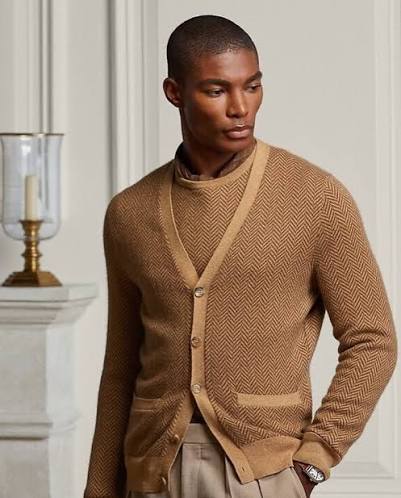
Of course, discretion has its own vanity. Looking as though you have nothing to prove can take considerable planning. The understated outfit can be just as calculated as the screaming logo; it simply speaks to a smaller audience.
Enjoy the softness. Just don’t mistake a discreet label for a personality.
How A Goat’s Undercoat Became A Rich Man’s Second Skin—And What The Rest Of Us Are Actually Paying For.
Cashmere comes from the fine undercoat of cashmere goats. Turning that fiber into desirable knitwear involves sorting, processing, spinning, knitting, and finishing. Fiber quality matters: Johnstons of Elgin identifies fineness and length as key grading factors. The word “cashmere” tells you the material; it doesn’t tell you how well someone handled it. Johnstons of Elgin
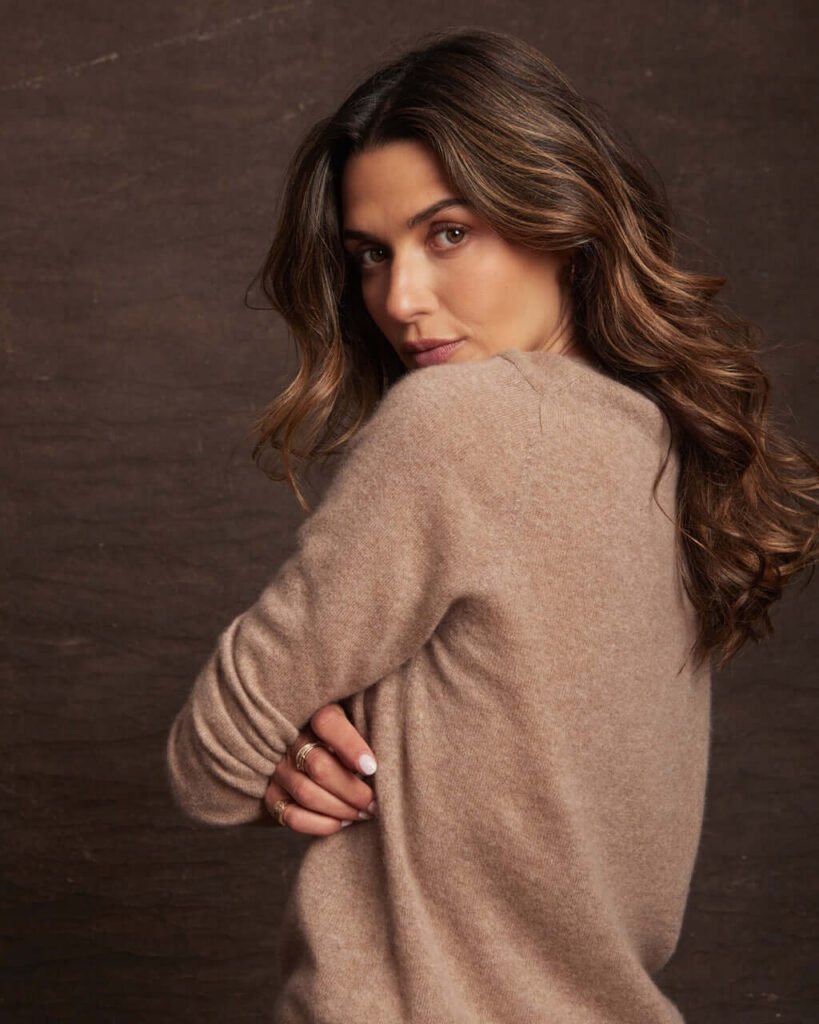
That distinction matters when two sweaters bearing the same fiber description carry very different prices. You may be paying for better raw material, thoughtful construction, skilled finishing, or a shape that hangs beautifully. You may also be paying for a famous name and the expensive privilege of shopping somewhere with very little merchandise on the floor.

Usually, the receipt doesn’t itemize the ego.
Read the composition label. A cashmere blend can be a perfectly sensible purchase, but understand how much cashmere you’re getting and what else is in it. “Cashmere” on the display sign shouldn’t end the investigation.
Ask about the yarn, construction, and intended weight. Ply describes strands twisted together, rather than a universal ranking of excellence. A thicker knit may suit cold weather; a lighter one may fit more comfortably under a jacket. Buy for the life you lead, not the imaginary chalet your shopping brain has suddenly inherited. Johnstons of Elgin
Then try it on. Check the neckline, seams, cuffs, and how it sits after you move. Does it feel comfortable to you? Does the body fall cleanly? Can you bend your arms without the sleeves declaring an emergency?
The mirror should be allowed to overrule the label.

If You Can Afford It, Buy One Worth Wearing
Start with one sweater that gets invited into your actual wardrobe. A crewneck is an easy first move. A fine turtleneck makes sense if you already enjoy wearing one. A knitted polo can look relaxed without drifting into gym clothes.
Choose a color that works with trousers and jackets you own: navy, charcoal, chocolate, oatmeal, or a muted green. This isn’t a ban on color. A burgundy sweater can be terrific. But buying an expensive orange experiment and then purchasing an entire supporting wardrobe is how one goat becomes a financial dependent.
Affording cashmere should include being comfortable wearing it. If every appetizer feels like a threat to your future, the sweater is running the evening.
You’re allowed to buy something lovely simply because you enjoy it. You’re also allowed to wait for a sale. Paying full price is not a character reference.
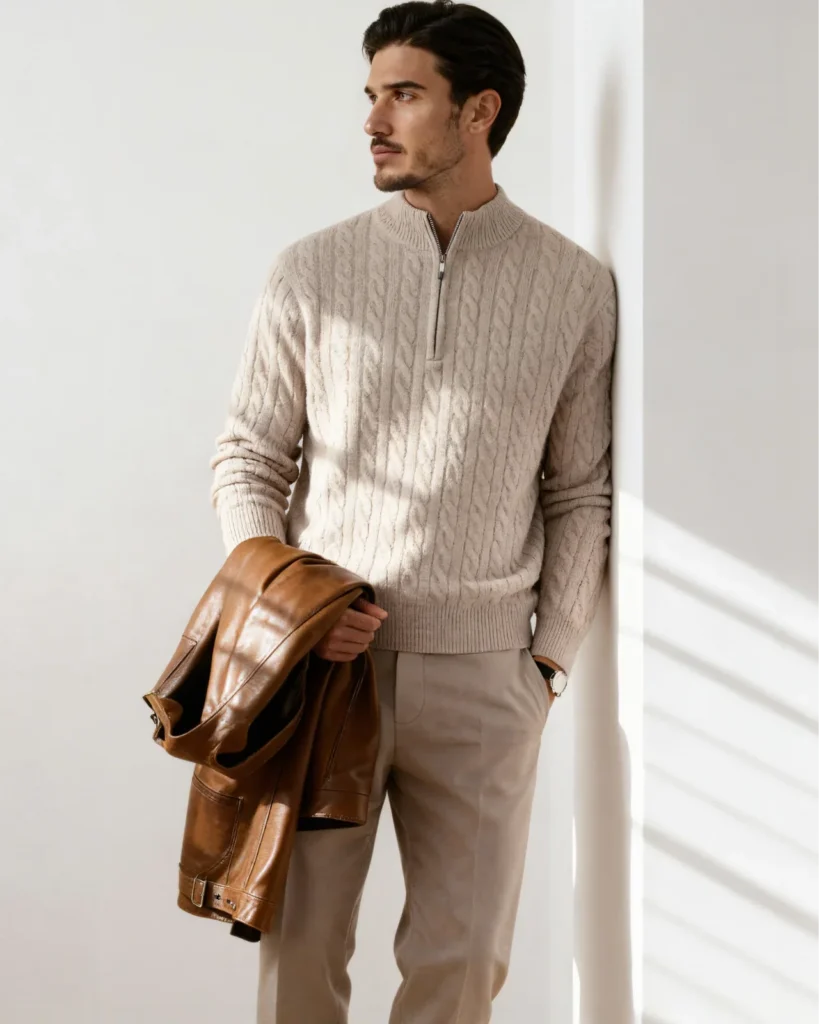
Give The Sweater Some Quiet Company
The easiest way to complement cashmere is to let its softness meet a little structure. Think straight trousers, clean denim, a good coat, or a jacket with enough room to accommodate the knit.

For dinner, try a chocolate crewneck with charcoal trousers and dark brown loafers. For a weekend, a navy sweater with straight blue jeans and clean suede boots. For a sharper evening, a charcoal turtleneck under a dark jacket can do plenty without a tie, a pocket square, and a committee meeting about accessories.
These combinations work because each piece has a job. The sweater brings texture. The trousers give the outfit shape. The shoes make it look finished.
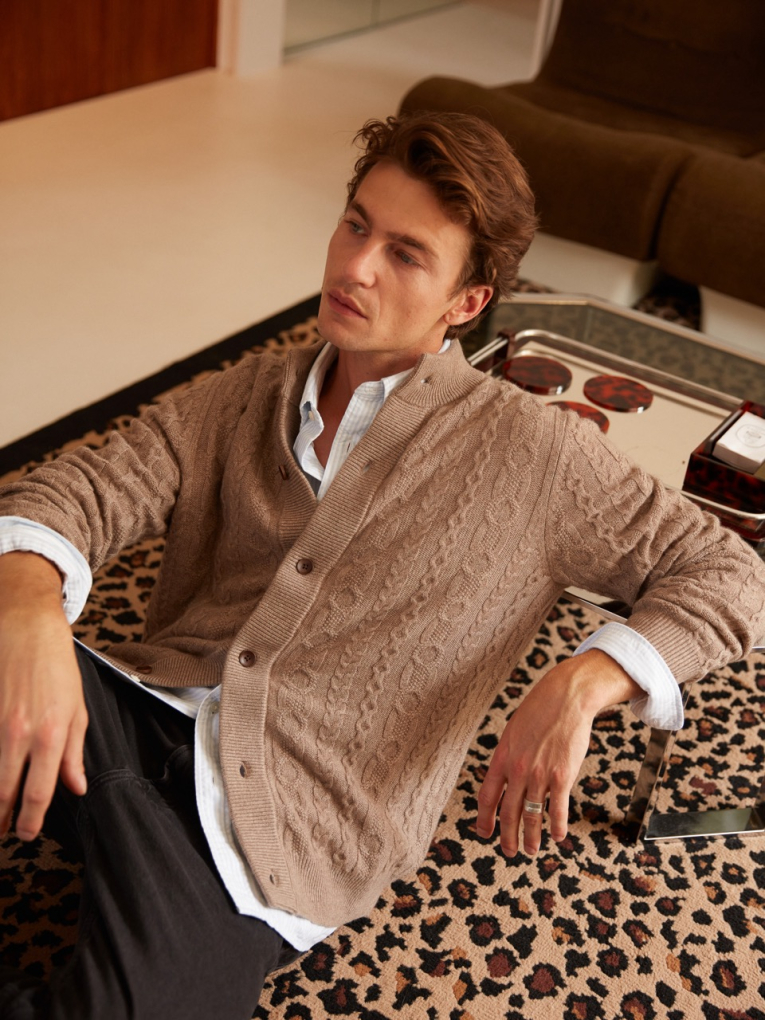
Fit is where the whole operation either succeeds or becomes expensive nonsense. A refined sweater should skim your body comfortably. If it grips your middle and pulls at the chest, a luxury label won’t negotiate more space. If it collapses into a heap around your waistband, the relaxed effect may have relaxed too far.
With a fine knit, wear a smooth, light layer underneath if you want one. A bulky T-shirt can produce lumps that no amount of pedigree will explain away.
And dress for the temperature. Wearing heavy cashmere through a warm Florida afternoon doesn’t suggest inherited wealth. It suggests you have confused perspiration with commitment.
Stop Before The Outfit Starts Introducing Itself
A watch, a ring, a pair of glasses: choose what you like. The trouble begins when every accessory demands a separate round of applause.
Cashmere, a giant belt buckle, heavily branded shoes, multiple necklaces, and sunglasses worn indoors can make a man look as though he is transporting the contents of a luxury department store during an evacuation.
Give the eye somewhere to rest.

The same goes for matching. Brown shoes can complement a brown sweater without your belt, bag, watch strap, and phone case joining a compulsory brown federation. Related shades often feel easier than exact coordination.
And leave the price out of conversation. If someone compliments your sweater, “Thank you” is a complete response. You don’t need to provide the goat’s résumé.
As for avoiding the “commoner” look: the giveaway is rarely an affordable pair of trousers. It’s the visible desperation to establish that nothing you’re wearing was affordable.
Even a Rich Sweater Needs Loking After
Cashmere can pill, particularly where it experiences friction. Those little balls of fiber aren’t automatically evidence that you bought a bad sweater. GOBI’s care guidance treats pilling as a natural occurrence and recommends a cashmere comb for removal.
Follow the individual garment’s care label. For washable knits, gentle handling matters; GOBI advises against wringing and recommends reshaping and drying flat. Fold sweaters for storage rather than leaving them hanging into a new silhouette. GOBI Cashmere USA
Maintenance is part of the purchase. A neglected luxury sweater is still a neglected sweater, just with a more upsetting backstory.
The goal is to feel comfortable enough to forget what you’re wearing. Buy the piece you enjoy, give it good company, and get on with your evening.
The goat has done its part. There’s no need to make everyone else hear about it.












+ There are no comments
Add yours