
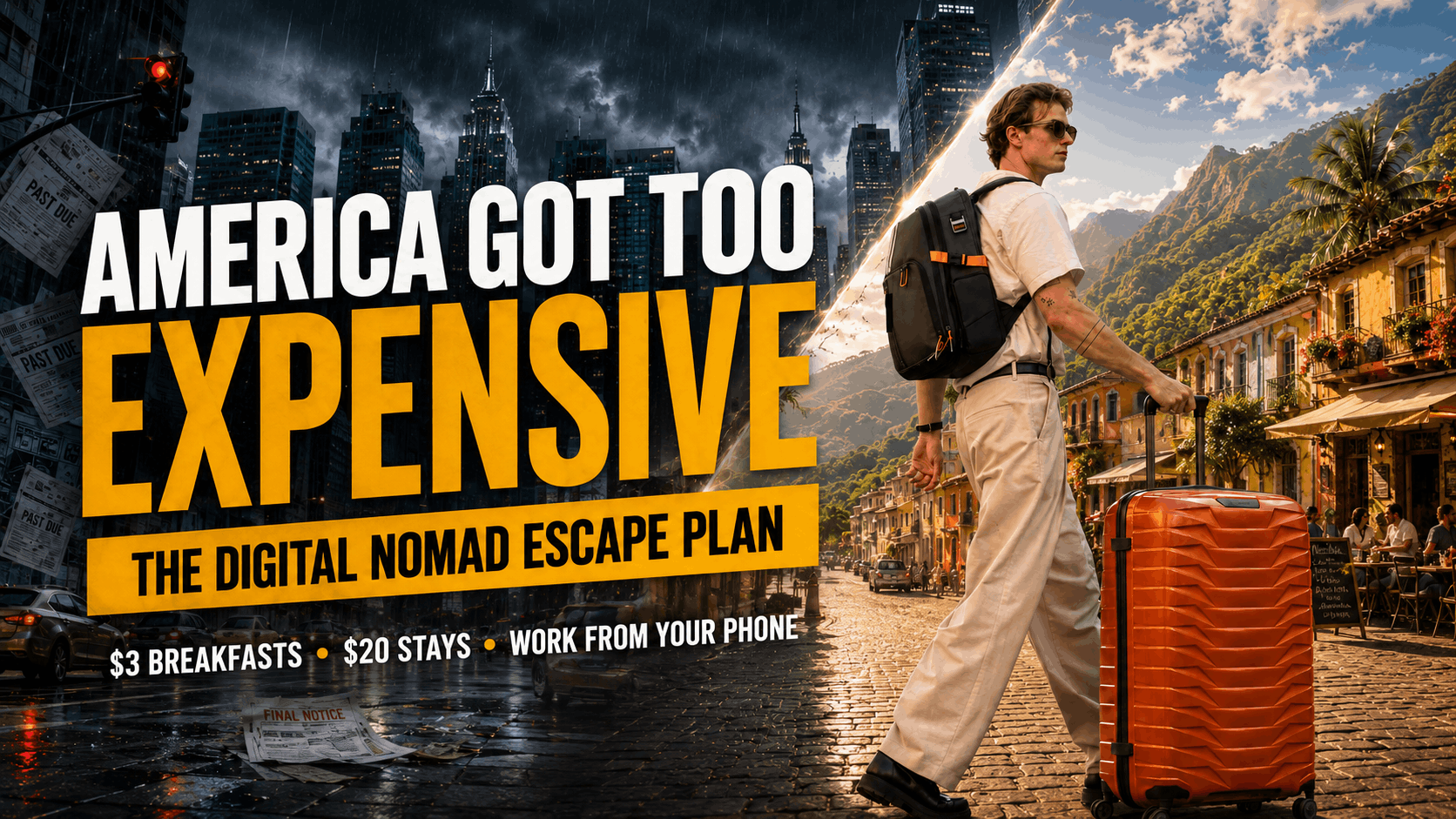


How Digital Nomads Are Escaping the 9-to-5 Trap—and Building a Life That Actually Feels Like Living
- A full breakfast can cost less than your morning coffee.
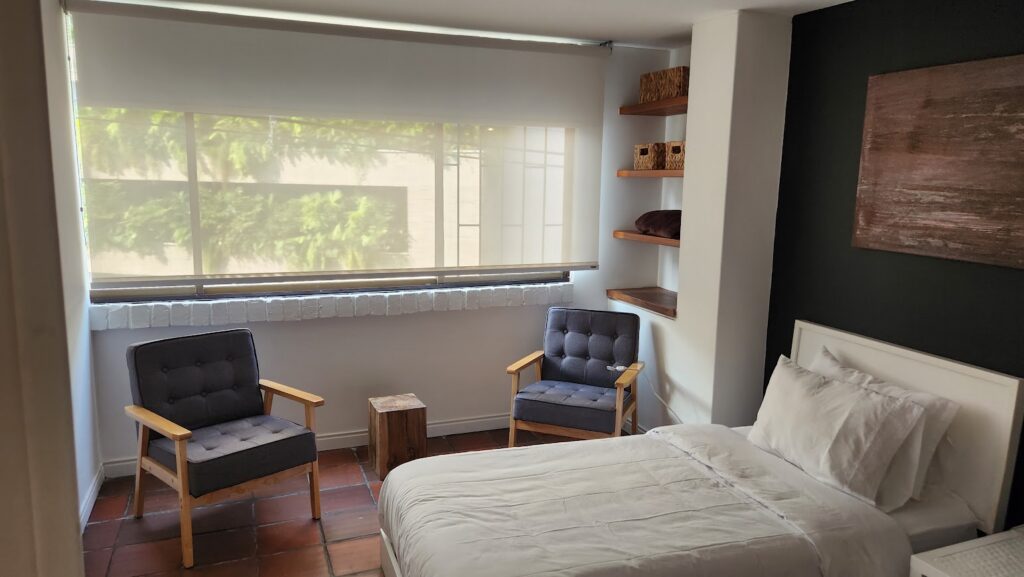
- A beautiful home can cost less per night than parking in an American city.
- Your U.S. phone bill could be five times higher than a local mobile plan.
- One trip can become a business—if you learn how to sell what you now know.
- The biggest threat to your new life may not be money. It may be loneliness.
- You may not need a laptop, an office or permission to begin.
Let’s say the quiet part out loud: living in the United States can be exhausting.
The rent rises. Groceries rise. Insurance rises. The political temperature rises. Your paycheck somehow remains seated.
Millions of people wake up every morning with the same low-grade dread: work eight hours, commute two more, spend the rest recovering—and do it again tomorrow. Some are working two jobs and still watching their bank balance perform a disappearing act before the month is over.
We were told that adulthood meant stability. For many Americans, it now means running faster just to remain in the same place.
But elsewhere, a very different life is possible.
In Colombia, If You’re Spending More Than $20 A Day…You’re Overspending


In parts of Latin America, Asia and Eastern Europe, you can still find generous local breakfasts for around $3. In the right city and season, longer-term stays can bring the nightly cost of a stylish apartment or house down toward $20. You can live in a walkable neighborhood, work from a café, exercise, meet people, explore on the weekend and still have money left after paying your bills.
@digital_bromad Here is the TRUTH of why I left America 🇺🇸 for Asia, and it is simply because the math made sense Cost of living is crazy in the US and you don't get nearly what you pay for. More and more people are figuring it out as well, don't get left behind. If you want me look at your resume and match you with the perfect remote job for you send it to the link in my bio 50 BEST REMOTE JOBS IN 2026 🌍💻 Avg US pay, sorted by category ⬇️ Save this 📌 💻 TECH & DATA Software Engineering $156K DevOps / Cloud $229K Data Science & ML $177K Sales Engineering $163K Product Management $162K Full-Stack Engineering $160K Data Engineering $154K Security $144K Data & Analytics $117K Data Annotation $115K QA & Testing $108K Technical Support $81K 📈 SALES & BIZ DEV Account Management $128K Sales $120K Revenue Operations $118K Account Executive $105K Sales Development $76K 🎨 MARKETING & CREATIVE Marketing $135K Design $126K Content & Writing $91K Social Media / Community $85K 🏥 HEALTHCARE Healthcare $133K Nursing / Clinical $104K Allied Health $100K Behavioral / Mental Health $97K Medical Billing & Coding $64K Case & Care Management $60K Get matched with the perfect remote job by sending me your resume through link in bio 💰 FINANCE & ACCOUNTING Financial Analysis / FP&A $115K Audit / Tax $113K Finance $110K Accounting / Bookkeeping $101K Underwriting / Claims $92K Billing / Payroll $73K ⚙️ OPS & PROJECT MGMT Strategy & Consulting $141K Project Management $128K Operations $110K Supply Chain & Logistics $73K Executive / Admin Assistant $56K 🎧 CUSTOMER & SUCCESS Customer Success $109K Customer Support $69K Customer Service Rep $47K 👥 PEOPLE, HR & EDUCATION Learning & Development $127K Benefits & Compensation $120K Education $119K People & HR $109K Recruiting / Talent $100K Teaching / Tutoring $66K ⚖️ LEGAL & LEADERSHIP Leadership $211K Legal & Compliance $114K Hospitality / Retail $80K I hope this helps you guys, best of luck finding remote work. I will answer questions in the captions ♬ original sound – Digital Bromad
That does not mean every destination is cheap, every neighborhood is safe or every rental photo tells the truth. It means geography may be the biggest bill-cutting tool you have never seriously considered.
Whether you want to test this life for two weeks or make it your next chapter, here is how to approach it with your eyes open—and how your travels might eventually pay for themselves.
First, Stop Paying a Fortune Just to Keep Your Phone Number
If you plan to leave the United States for more than a few months, do not keep paying an expensive American mobile bill merely because you are afraid of losing your number.

You may be able to port and “park” that number instead. Voiply currently advertises number parking for $20 a year, while NumberBarn lists parking at $2.99 per month, plus a $5 port-in fee. NumberBarn’s call-forwarding plans cost more than basic parking, so decide whether you need storage, voicemail, texting or live forwarding before choosing a plan.
Then buy a local SIM or eSIM at your destination. Depending on the country and the amount of data you need, local mobile service can cost a fraction of a comparable U.S. plan.
There is one catch people rarely mention: some banks and online services do not reliably send security codes to parked or VoIP numbers. Before porting anything, move critical accounts to an authenticator app, save backup codes and confirm how your banks will verify you abroad. Do not discover this problem while standing outside an ATM 3,000 miles from home.
Your First Business Could Be the Trip You Just Took

The easiest service for many new digital nomads to create is not coding, graphic design or dropshipping. It is travel planning.
Once you have spent meaningful time in a destination, you possess something a nervous first-time visitor wants: firsthand knowledge.

You know which neighborhood looks close to everything on a map but becomes a transportation headache in real life. You know which restaurant is ideal for an anniversary, which one works for a family, which hotel is worth the upgrade and which “luxury” rental has a nightclub underneath it. You know what the airport transfer should cost, where tourists overpay and what should be booked before arrival.
Turn that knowledge into a clearly defined service. You could sell:
- A personalized itinerary
- Flight and accommodation research
- Neighborhood consultations
- Restaurant and activity reservations
- Airport-transfer coordination
- A complete trip-planning package
Be transparent about how you are paid. Charge a planning fee, disclose commissions and affiliate relationships, and check whether selling or booking travel requires registration, seller-of-travel compliance or insurance where you live and where your customers are located.
You are not selling links. You are selling the confidence that comes from having someone on the ground who has already made the mistakes.
Dental Tourism Can Save Clients Thousands—but Trust Is the Product

The second opportunity is dental-tourism coordination.

Dental work abroad can cost dramatically less than comparable treatment in the United States. In some cases, advertised savings reach 50% to 75%, even after flights and lodging. That difference can be life-changing for someone facing a treatment plan they simply cannot afford at home.
But this is not a business to enter casually.
Your job is not to diagnose anyone or promise an outcome. Your job is to perform serious due diligence and help clients ask better questions. Investigate the dentist’s credentials, the clinic’s infection-control procedures, the materials and implant systems being used, aftercare, warranties, language support, emergency protocols and what happens if the patient returns home with a complication.
Ask for verifiable licensing—not just five-star reviews. Encourage every client to consult an independent dental professional and obtain complete records before committing. The CDC warns that quality standards and infection-control practices vary, and follow-up care can become difficult once the traveler returns home.
The discount is not the entire product. Safety, documentation and continuity of care are what make the service worth paying for.

Bigger Medical Procedures Mean Bigger Responsibility
Major medical tourism may offer a higher financial reward, but it also brings legal, ethical and practical responsibilities that are far beyond booking a hotel.
A medical-travel coordinator might earn hundreds or even thousands of dollars from a client seeking surgery or specialized care. Yet before accepting a single payment, determine whether you must register locally as an agent, facilitator or patient representative. Obtain appropriate legal advice, contracts and professional insurance. Never guarantee results, hide referral fees or steer someone toward a procedure they do not fully understand.
Build a real emergency plan. Who answers the phone at 2 a.m.? Who communicates with the clinic? Where does the client go if complications develop? Is medical evacuation coverage available? Who coordinates records with the patient’s physician back home?
If you cannot answer those questions before the trip, you are not ready to sell the trip.
Build the Community You Wish Existed
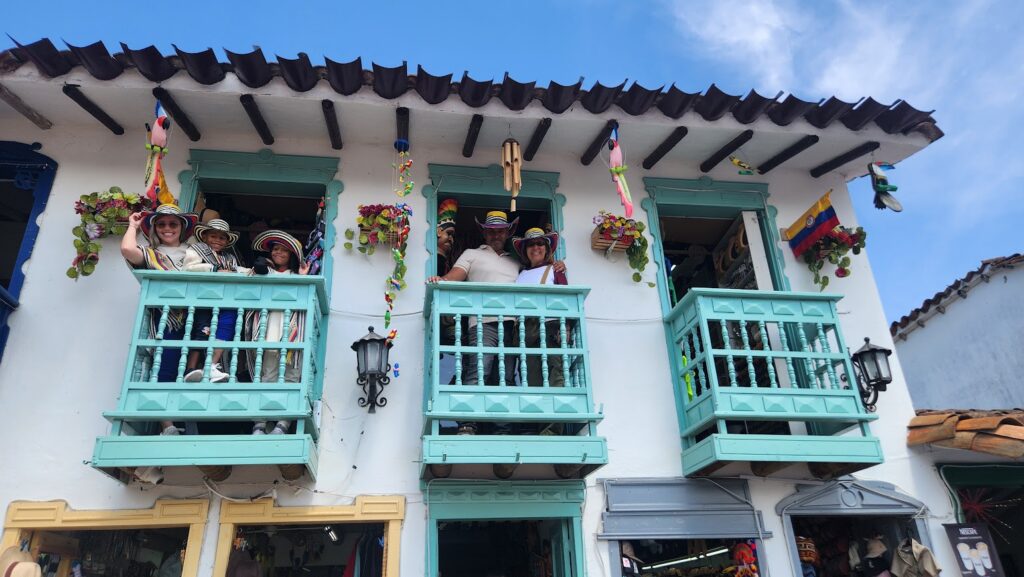
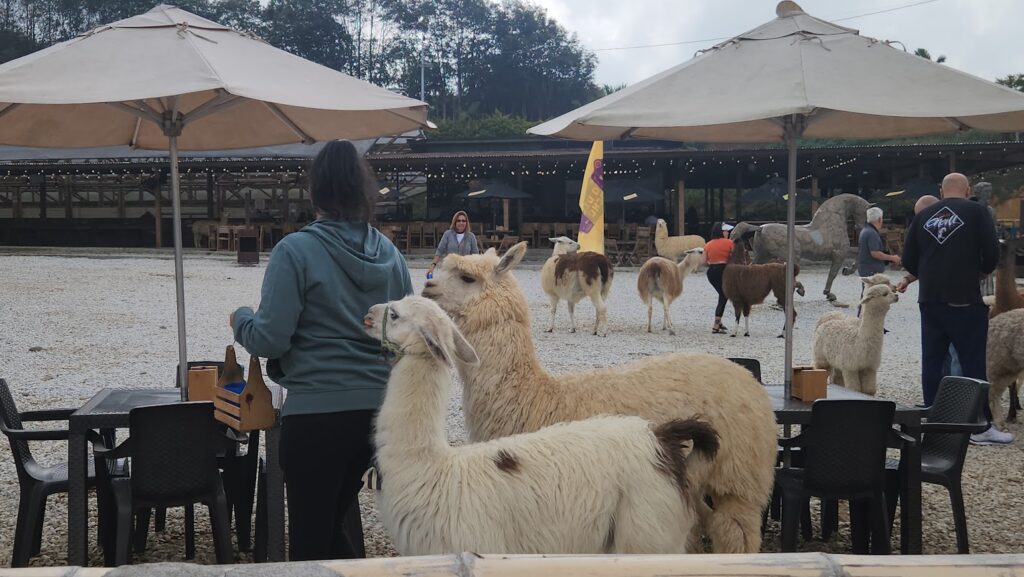
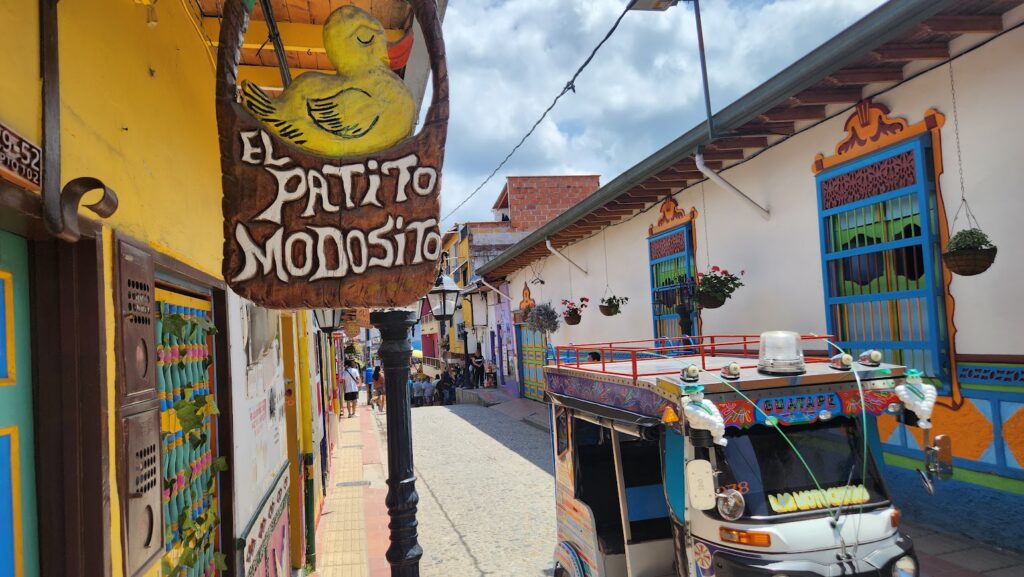


One of the most overlooked digital-nomad businesses is also one of the most needed: community.

Create a group around a clear niche. It could be Black Americans in Medellín, creative entrepreneurs in Bogotá, remote-working parents, travelers over 40, LGBTQ+ nomads, fitness-focused travelers or first-time expats who want a softer landing.
Then create value beyond another noisy group chat:
- Weekly dinners
- Walking tours
- Coworking sessions
- Fitness meetups
- Language exchanges
- Day trips
- Apartment-hunting workshops
- Safety and scam-awareness sessions
You can monetize through membership, paid events, local sponsorships, carefully disclosed referral partnerships and premium concierge services.
This is not merely a social idea. Loneliness is one of the forces that sends people home. A nomad may have enough money, flexible work and a beautiful apartment—and still quit because no one would notice if they disappeared for three days.
People do not only pay for access. They pay to belong.

Why Colombia Is My Favorite First Stop
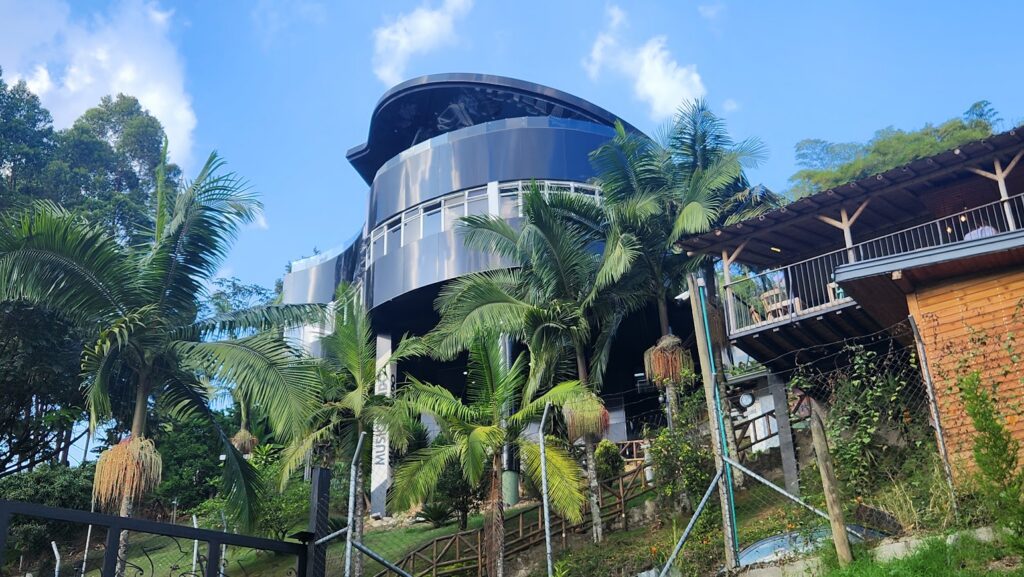
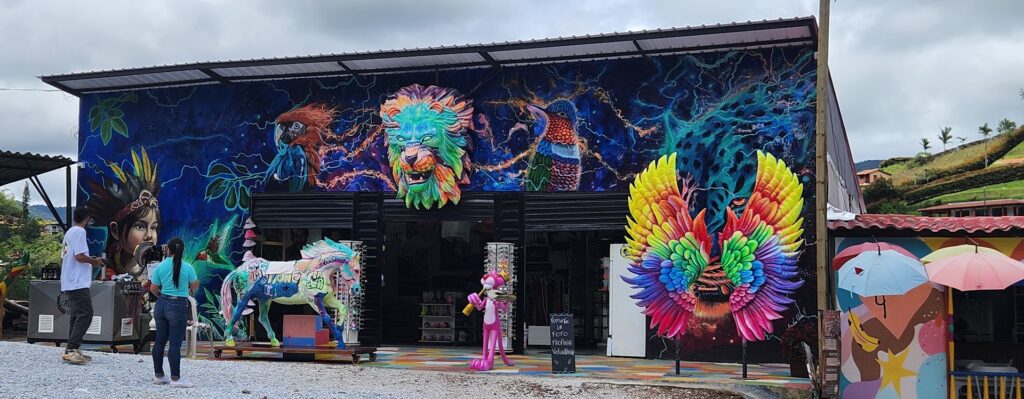
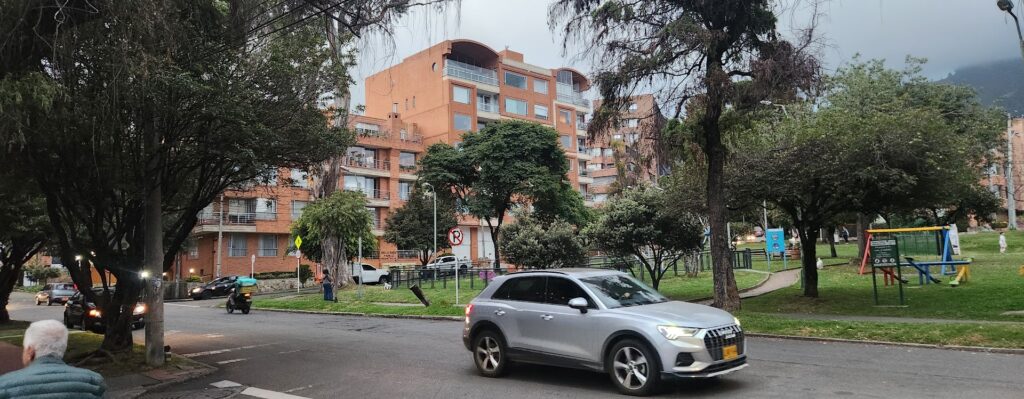
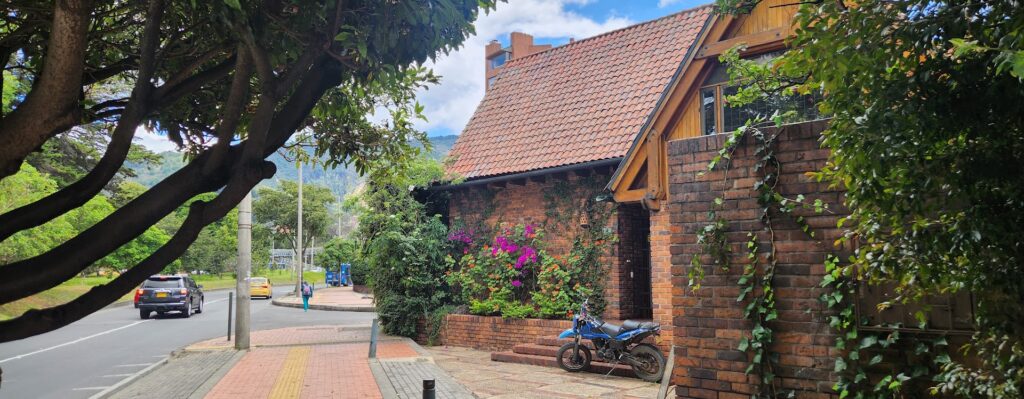
For Americans who want to test the digital-nomad life without turning their sleep schedule upside down, Colombia is one of the most practical introductions—especially Medellín and Bogotá.
The time zones overlap comfortably with much of the United States. Medellín is famous for springlike weather, while Bogotá offers cooler temperatures, major-city energy and a deep restaurant, arts and business scene. The U.S. dollar often stretches substantially further than it does at home, although exchange rates move constantly and costs vary sharply by neighborhood and lifestyle.
Colombia can be affordable, but “affordable” should not become fantasy math. A very frugal household may live on a surprisingly low budget outside premium districts, while a family choosing private schools, imported groceries, frequent rideshares and upscale housing can spend several times more. Build your plan from current local listings and real monthly expenses—not a viral video claiming a family of four lives like royalty for $900.
Colombia also gives Americans room to test the idea. U.S. citizens can generally enter without obtaining a visa in advance for a short stay, commonly up to 90 days, and may be eligible to extend their stay up to a total of 180 days in a calendar year. Colombia also offers a digital-nomad visitor visa for qualifying remote workers and entrepreneurs. That visa application is completed online; it is not a form you casually fill out while waiting at the airport. Always verify current requirements with Colombia’s Ministry of Foreign Affairs before making long-term plans.
And use the same judgment you would use in any large American city. Research neighborhoods, avoid flashing valuables, learn common scams, ask locals which areas change after dark and buy insurance. “Cheaper” is not a synonym for “risk-free.”

You Do Not Need a $3,000 Laptop to Start
Laptops are beginning to feel very 2010s.
For many travel-planning, community and concierge businesses, your phone can handle the work. It can manage messages, video calls, invoices, booking confirmations, social posts, cloud documents and customer follow-up. An AI website builder or a trusted freelancer can create a simple site, while a Facebook group, WhatsApp community or social account can help you find your first customers.

If a laptop makes you more comfortable, buy a reliable used one. An affordable tablet with a keyboard may be enough. Most of your valuable work should live in secure cloud storage anyway, protected by strong passwords, multifactor authentication and backups.
Your device is not your business. Your relationships, reputation and ability to solve problems are your business.
There is freedom in knowing that if your machine breaks, you can replace it without watching three months of savings vanish. That expensive silver rectangle is only a comfort cradle for your fingers. Treat it accordingly.
Test the Life Before You Blow Up the Old One

Do not sell everything after watching one sunset video from Cartagena.
Start with a two-to-four-week test. Stay in a normal neighborhood, not an all-inclusive resort. Work your actual schedule. Buy groceries. Use public transportation. Track every expense. Test the internet at the exact hours you need it. See how your body handles the climate and how your mind handles being away from familiar people.
Before leaving for a longer stretch:
- Keep an emergency fund and a return-flight reserve
- Carry travel health insurance that fits your activities and length of stay
- Understand tax-residency rules and speak with a qualified tax professional
- Verify visa and work restrictions through official government sources
- Keep digital and paper copies of important documents
- Use multifactor authentication and backup access codes
- Build community before loneliness builds a case against staying
The digital-nomad life is not an endless vacation. There will still be deadlines, bad Wi-Fi, awkward language mistakes, bureaucracy and mornings when you miss the most ridiculous things about home.
But the trade can be extraordinary.
Instead of spending your strongest years working two jobs to maintain a life you barely have time to experience, you can lower your costs, regain your hours and build services around knowledge you acquire simply by living.
The American Dream was supposed to mean freedom.
If the price of that freedom has become impossible in America, you may discover that the dream is still alive.
It just may have moved.
Editor’s note: Prices, exchange rates, entry rules and visa requirements change. Verify costs directly with providers and immigration information through official government sources before booking or relocating. Medical and dental travel should be planned with qualified healthcare, legal and insurance professionals.
Sources for Editorial Review
- Colombia Ministry of Foreign Affairs: Digital-nomad and visitor-visa guidance — https://www.cancilleria.gov.co/atencion-y-servicio-al-ciudadano/tramites-y-servicios/visa/tipos-de-visa
- NumberBarn: Number-parking pricing — https://www.numberbarn.com/number-parking
- Voiply: Number-parking pricing — https://kb.voiply.com/number-parking-keep-your-phone-number
- CDC Yellow Book: Medical tourism — https://www.cdc.gov/yellow-book/hcp/health-care-abroad/medical-tourism.html















+ There are no comments
Add yours