
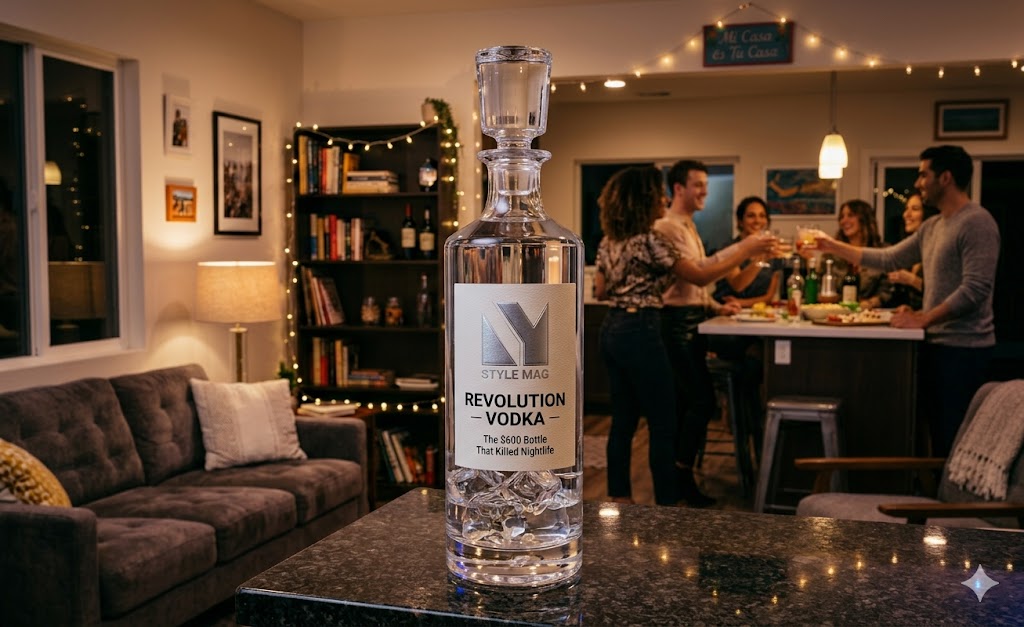


The Crowd Didn’t Disappear—They Just Realized They Were Being Scammed
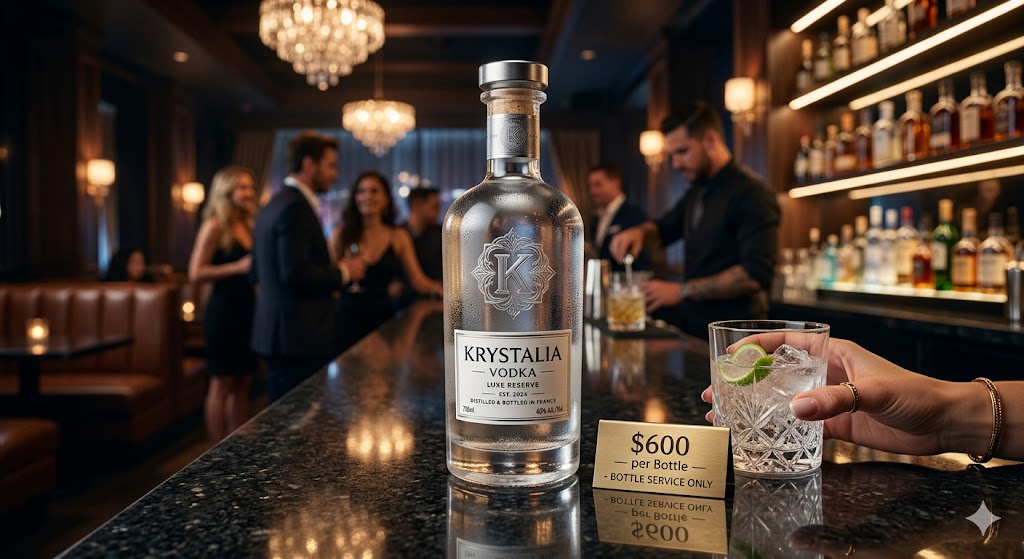
There was a time when the night didn’t start until 11:45 p.m.—when you ironed your top, lied about your ETA, and stepped into a bass-soaked room where everything felt possible. Today? That same room is half-empty, the DJ performing for a crowd that looks like it took a wrong turn on its way to a different life. Nightclubs aren’t slowing down; they’re bleeding out. And the uncomfortable truth is this: the culture evolved while clubs kept charging $600 for a bottle of vodka.
Airbnb Didn’t Just Offer Housing—It Accidentally Reinvented Nightlife
Let’s talk about the culprit no one expected: Airbnb.
The platform built for travelers somehow became the blueprint for a brand-new kind of party—one that didn’t need velvet ropes, bouncers, or bottle girls. During the pandemic, people discovered the gravitational pull of the house-party revival: cheaper, safer, customizable, and infinitely more fun.
Even after Airbnb permanently banned large gatherings in 2022, it didn’t matter. The taste of freedom stuck. Once we saw how easy it was to have your own VIP section without paying for it, the old nightclub model suddenly felt like a bad deal that everyone had been guilted into accepting.
Post-Pandemic Socializing: More Intimate, Less Performative
But Airbnb wasn’t the only factor—it was just the spark.
The real explosion?
Post-pandemic behavior.
People socialize differently now: more curated, more intentional, less performative. We’re more protective of our energy and even more protective of our privacy. Nobody wants to become an unwilling viral moment because someone filmed them vibing off-beat or crying near the bathroom line.
And this isn’t just a Gen Z thing.
Millennials—the generation that practically kept clubs alive—are slipping out the back door too.
They’re choosing smaller gatherings, better conversations, and environments where nobody’s livestreaming their bad decisions.
When Bottle Service Costs More Than a Plane Ticket, We Choose Life
We don’t have to sugarcoat it.
The economy is screaming.
The math is simple and disrespectful:
- A night out with friends at a club: $450–$1,200
- A budget flight + weekend stay in Colombia or the Caribbean: often less
Nightclubs became status theaters where the performance cost more than the payoff. People aren’t broke—they’re just refusing to overpay for experiences that don’t match their value anymore. When a couch, a sparkler, and a bottle with a 600% markup is the highlight of your business model, your business model has already lost.
The Alternatives Stole the Vibe—and the Community
Meanwhile, the world outside the club moved on.
And innovated.
- Pop-up dinners
- Micro-house parties
- Wellness-infused events
- Rooftop movie nights
- Themed Airbnb gatherings
- Bonfire circles
- Curated “bring-your-own-everything” socials
- Co-working lounges that become after-hours spaces
Every one of these options offers more variety, more comfort, more personality, and yes—a lot more humanity—than the traditional nightclub. Clubs stayed the same while everything else got better.

Nightclubs Aren’t Dying—They’re Being Replaced
Nightclubs didn’t fail because we stopped wanting to connect.
They failed because the world built better ways to do it—more intimate, more affordable, more flexible, more aligned with who we’ve become.
The old formula of darkness + loud music + overpriced liquor simply can’t compete with:
- a living room with snacks
- a rooftop with a Bluetooth speaker
- a backyard with fairy lights
- a kitchen island full of food no one paid $19 a plate for
- a curated night among people you actually like
This isn’t the death of nightlife.
It’s the relocation of nightlife.
From velvet ropes to living rooms.
From bottle girls to Bluetooth speakers.
From public spectacle to private sanctuary.
The Party Didn’t End—It Just Moved Somewhere Better
Airbnb didn’t intentionally kill the nightclub scene.
It just gave us permission to create experiences that felt more authentic, more communal, more ours.
Nightclubs stayed stuck in 2011.
The rest of the world moved forward.
And now those velvet-rope empires are learning, painfully and publicly:
The party moved on without them.













+ There are no comments
Add yours