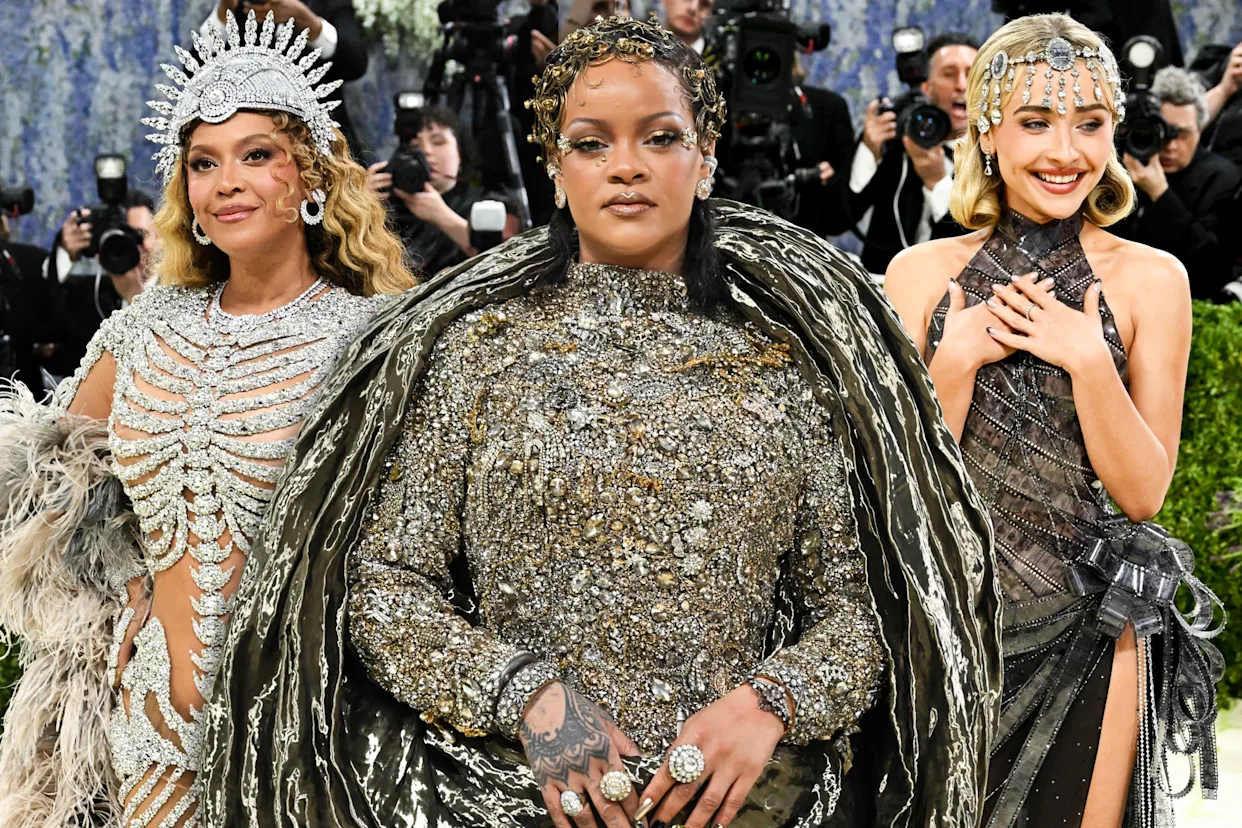


Every year, the Met Gala tries to convince us it is not simply a very expensive staircase with celebrities slowly ascending it while the internet judges their hems, wigs, politics, cheekbones, and ability to understand a theme. And every year, we pretend to be surprised.
But the 2026 Met Gala did something a little different. It stopped flirting with the idea that fashion belongs in the museum and simply married it in front of everyone.
This year’s theme, “Costume Art,” celebrated the Costume Institute’s spring exhibition of the same name, with the dress code “Fashion is Art.” The exhibition pairs garments with works from The Met’s collection to explore the dressed body and the relationship between clothing, art, and human form. It also inaugurates the museum’s new nearly 12,000-square-foot Condé M. Nast Galleries for the Costume Institute. So yes, the night had pageantry, diamonds, feathers, impossible waistlines, and the occasional celebrity looking like they lost a bet with a chandelier. But underneath the spectacle was a very serious statement: clothes are not decoration. Clothes are evidence. (The Metropolitan Museum of Art)
The Year Fashion Stared Back
The 2026 Met Gala was co-chaired by Beyoncé, Nicole Kidman, Venus Williams, and Anna Wintour, which already sounds less like an event committee and more like a Mount Rushmore with better tailoring. Beyoncé’s return to the Met Gala after a decade gave the night its obvious gravitational pull, while Kidman and Williams brought the kind of red-carpet authority that says, “I have survived flashbulbs, couture fittings, and at least one stylist whispering urgently behind a column.” (Vogue)
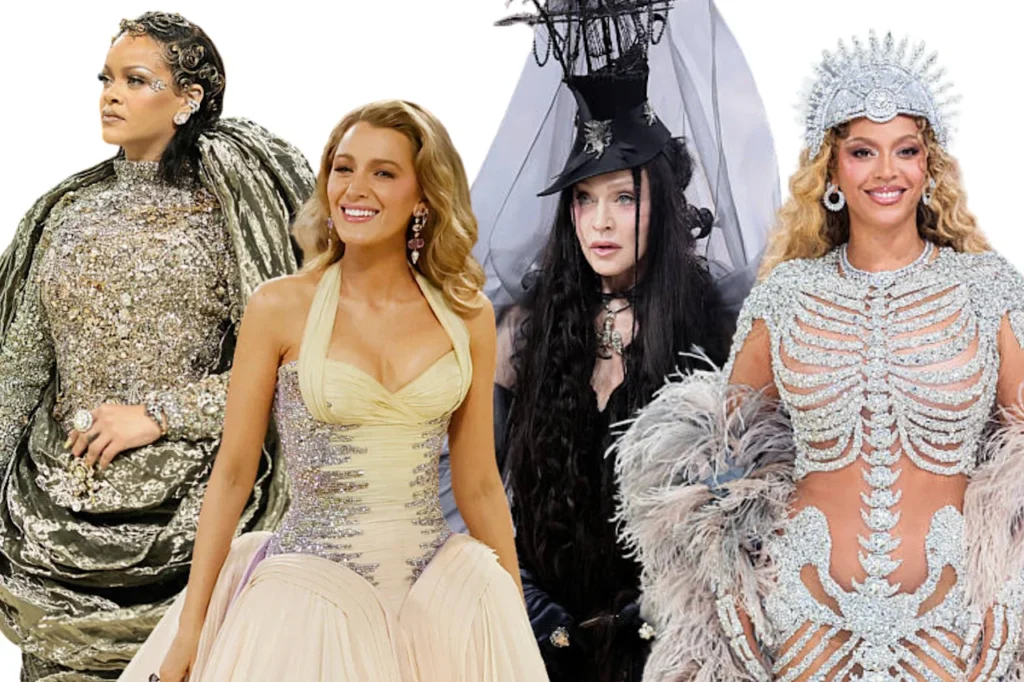
What made 2026 interesting was how direct the theme was. Past Galas often required a PhD, a mood board, and possibly a séance to interpret. “Camp: Notes on Fashion” in 2019 asked celebrities to understand irony, theatricality, exaggeration, and Susan Sontag—an ambitious request for people who sometimes think “theme” means “wear sparkles, but louder.” “Heavenly Bodies” in 2018 gave us Catholic grandeur, which meant crowns, crosses, capes, and more gold than a Vatican gift shop after a lightning strike. “Sleeping Beauties” in 2024 leaned into fragility, preservation, nature, and sensory experience. “Superfine: Tailoring Black Style” in 2025 gave the Gala one of its most culturally grounded recent themes, centering Black dandyism, identity, tailoring, and the politics of being impeccably seen. (Vogue)

But “Costume Art” was cleaner, sharper, and harder to dodge. It did not ask: “Can fashion be art?” It answered: “Darling, it already is. Please catch up.”
Compared to the Past, 2026 Felt Less Like Fantasy and More Like a Thesis
The Met Gala has always been at its best when the clothes do more than dazzle. The magic happens when a look becomes an argument. Rihanna’s yellow Guo Pei cape in 2015 was not just a dress; it was a solar event. Zendaya’s Joan of Arc moment in 2018 did not simply reference armor; it turned red carpet femininity into battle gear. Billy Porter being carried in like a sun god in 2019 was not an entrance. It was a hostile takeover of memory.
The weaker Met years happen when the theme becomes wallpaper. A celebrity arrives beautiful, expensive, and completely unrelated to the assignment. We all applaud anyway because the cheekbones are doing community service.
That is where 2026 had an advantage. The dress code “Fashion is Art” gave designers permission to go conceptual without needing to smuggle in a history lecture. The best looks reportedly leaned into sculpture, painting, body form, and museum references rather than simply “pretty gown, but make it insured.” Vogue’s coverage highlighted stars who embraced the theme through couture, classical sculpture references, and bold body-conscious interpretations. (Vogue)
This year, the body was not just wearing the garment. The body was part of the conversation.

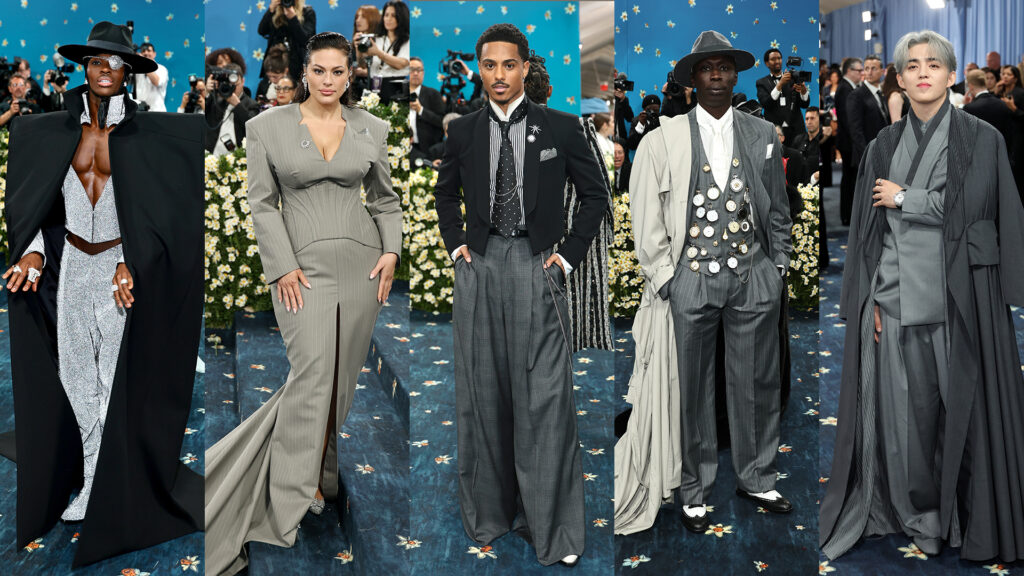
Why 2025 Still Haunts the Room
It is impossible to talk about 2026 without talking about 2025’s “Superfine: Tailoring Black Style.” That Gala had cultural weight because it was not merely about suits. It was about Black identity, self-fashioning, resistance, elegance, and the long history of dressing as both armor and authorship. The exhibition examined Black dandyism and its role in shaping Black identities across the Atlantic diaspora. (Vogue)
Compared with that, 2026 was broader and more museum-facing. It was less socially specific but more philosophically expansive. Where 2025 asked, “Who gets to define elegance?” 2026 asked, “Who gets to define art?”
That is a big question, and frankly, one the fashion world has been answering with shoulder pads, corsets, bias cuts, and emotionally unstable hats for over a century.
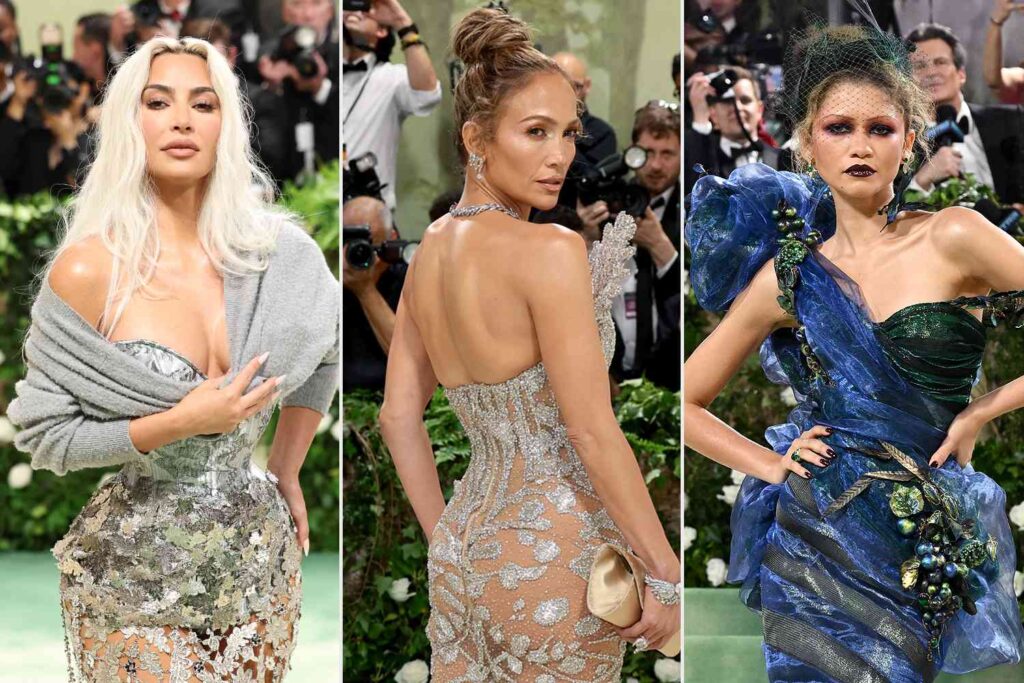
2024 Was About Preservation. 2026 Was About Recognition.
The 2024 theme, “Sleeping Beauties: Reawakening Fashion,” focused on delicate historical garments, sensory experience, conservation, and the fragile life of fashion objects. It was romantic, poetic, and slightly haunted, like a Victorian ghost with a Loewe sponsorship. The Met described the exhibition as an immersive experience using video, soundscapes, smells, and other sensory elements to bring fragile garments back into conversation with the body. (The Metropolitan Museum of Art)
In contrast, 2026 felt less like waking sleeping fashion and more like giving it a permanent office, a nameplate, and museum lighting that says, “Yes, this deserves the same seriousness as a marble torso missing both arms.”
And that matters.
For decades, fashion has been treated as the glamorous cousin of “real” art—invited to dinner, complimented for looking gorgeous, then quietly dismissed when the men start discussing permanence. But fashion carries history in a way paintings cannot. It remembers who was allowed to be beautiful. Who was restricted. Who was watched. Who was worshipped. Who had to tailor themselves into respectability just to be allowed through the door.
The Best Met Galas Understand Power
The Met Gala is ridiculous. Of course it is. It is a fundraiser where people wear six-figure gowns to climb stairs while the rest of us eat leftovers and become experts in embroidery. But ridiculous does not mean meaningless.
The best Met Galas understand that fashion is power arranged around a body.
“Heavenly Bodies” turned religion into spectacle.
“Camp” turned exaggeration into philosophy.
“Superfine” turned tailoring into cultural testimony.
“Costume Art” turned clothing into proof.
And maybe that is why 2026 worked. It did not need to be the loudest Met Gala in history. It needed to be the one that finally put fashion’s case on the wall and said: look closely.
Because a gown is never just a gown. A suit is never just a suit. A corset is never just a corset, especially if you have ever tried to sit down in one, breathe in one, or pretend you are “very comfortable, thank you” while your ribs quietly file a complaint.
Fashion is memory. Fashion is identity. Fashion is class, gender, race, desire, labor, fantasy, and control stitched into something wearable.
The Final Verdict
The 2026 Met Gala may not replace the most iconic years in public memory. It may not have the instant meme power of Rihanna’s omelet cape, the theatrical electricity of “Camp,” or the sacred drama of “Heavenly Bodies.” But it may age better than some of them because its premise was so clean and so correct.
Fashion does not need permission to be art.
It has always been art.
The only difference in 2026 is that The Met finally gave it the room, the lighting, and the wall text.