
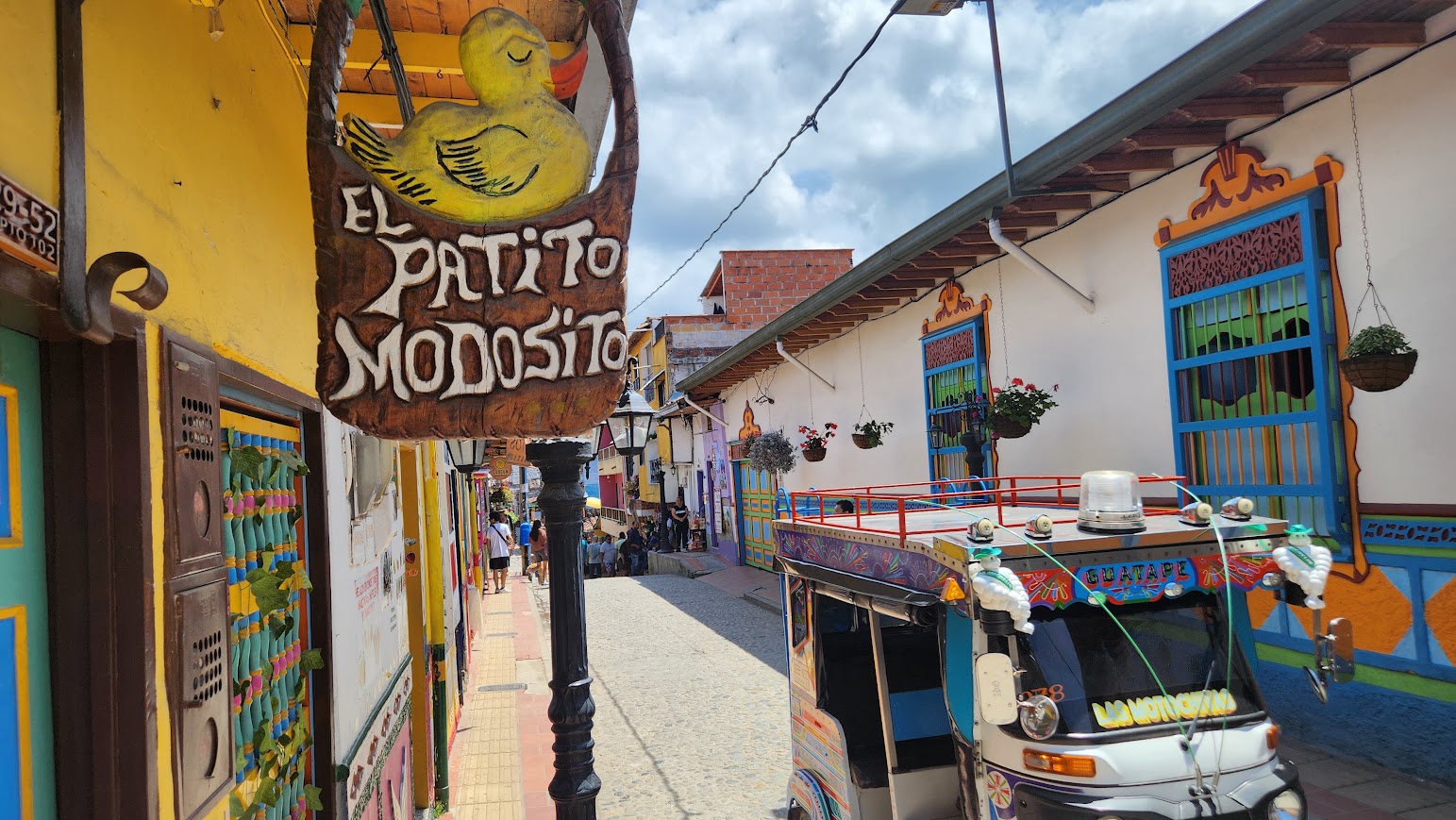


A realistic look at six international cities where an ordinary American income can still buy something that feels increasingly luxurious: time, breathing room and a life beyond the bills.
- $1,500 can still fund a real life abroad—but not an endless vacation.
- The neighborhood you choose can matter more than the country you choose.
- The expenses nobody puts in the video are the ones that send people home.
I did not become a digital nomad at 23 with a six-pack, a ring light and a mysterious online business that apparently earned money while I slept.
I came to it later in life.
By then, I had bills, responsibilities, strong opinions about mattresses and a back that could identify a bad chair before I sat in it. I was not searching for a hostel romance or a sunrise yoga photograph. I wanted to know whether another kind of life was financially possible—one where I could work, eat well, meet people and occasionally enjoy Tuesday without feeling as if Tuesday had charged me a service fee.
The number that kept appearing was $1,500 a month.
In much of the United States, $1,500 is no longer a lifestyle. It is a landlord’s opening argument. In the right city abroad, however, it can still cover a modest apartment, local food, transportation, a gym or coworking membership and enough entertainment to remember why you left the house.
But let me ruin the fantasy before an influencer does it for you: $1,500 is not equally comfortable everywhere, and it does not include every cost of becoming or remaining a legal resident. It works when you live more like a resident than a tourist. It collapses when you demand an apartment in the hottest expat neighborhood, imported cereal, daily rideshares and cocktails served beside an infinity pool.
This is not a list of countries where Americans can arrive like kings. It is a guide to places where a respectful, adaptable person may be able to build a good life for less.
First, What Does “Living on $1,500” Actually Mean?
For this comparison, I am imagining one person renting a furnished studio or modest one-bedroom for at least one month, living outside the most expensive tourist pocket, eating a mixture of local meals and groceries, using public transportation or inexpensive local transport, and keeping nightlife within the boundaries of adulthood.
I use three budget levels:
- Survival: Safe basic housing, mostly home cooking, local transportation and very little paid entertainment. It works, but one surprise expense can turn the month into a hostage negotiation.
- Comfortable: A private place, dependable internet, several meals out each week, exercise, occasional rideshares and room for a social life.
- Live large: A stylish central apartment, frequent dining out, regular nightlife, coworking, taxis and weekend trips. “Large” is relative. You are not buying a yacht. You may, however, stop checking your bank balance before ordering dessert.
The following figures are planning ranges for one person in 2026, not guarantees. Exchange rates, seasons, lease length and personal habits move these numbers quickly. Before booking, check live rates with OANDA’s currency converter and compare current city prices through the linked cost databases.
City Survival Comfortable Live large Honest $1,500 verdict Da Nang, Vietnam $750–$950 $1,000–$1,350 $1,700+ Strong Chiang Mai, Thailand $850–$1,100 $1,150–$1,550 $1,900+ Strong, with discipline Tbilisi, Georgia $900–$1,150 $1,200–$1,600 $2,000+ Good outside the premium core Medellín, Colombia $1,000–$1,250 $1,350–$1,850 $2,300+ Possible, but no longer effortless Buenos Aires, Argentina $1,000–$1,250 $1,400–$1,900 $2,400+ Tight but culturally rich Sofia, Bulgaria $1,150–$1,400 $1,550–$2,100 $2,600+ Better as a $1,800 city
These are editorial estimates built from current cost databases, rental ranges and resident-oriented spending patterns. They exclude international flights, taxes, major medical care, visa applications, debt payments back home and the emergency fund you absolutely should have.
Da Nang: The Easiest Place to Make the Math Behave

Da Nang may be the clearest example of what people imagine when they hear “digital-nomad value”: a coastal city, good food, modern apartments, cafés and a monthly budget that does not immediately burst into flames.
Current estimates put basic expenses for one person at roughly $450 a month before rent, according to Numbeo’s Da Nang data. A patient renter can often build a comfortable routine near—not directly on—the most expensive beachfront blocks while keeping housing, utilities, food, transport, fitness and entertainment near $1,200 to $1,350.
The trick is to eat Vietnamese food because you are in Vietnam. Local noodles, rice dishes, coffee and fresh produce can be excellent value. A cart filled with imported cheese, American snack food and Western health products will begin rebuilding the U.S. cost of living one homesick purchase at a time.
Da Nang rewards slow living. Rent by the month, learn the neighborhood, become a regular somewhere and save the oceanfront cocktail for when you actually want one—not because the algorithm demanded evidence that you are free.
Chiang Mai: Affordable, Social and Slightly Too Easy to Love

Chiang Mai has long been digital-nomad headquarters because it combines manageable costs, strong café culture, coworking options and a large community of people attempting to explain what they do for a living.
Wise estimates about $1,032 per month for one person across common living costs, with average rent near $457. Current Numbeo figures put one person’s non-rent expenses higher, which is exactly why you should treat every online budget as a starting point rather than scripture.
At $1,500, Chiang Mai can be comfortable if you choose a studio or modest one-bedroom, eat local food frequently and do not use a rented scooter as a substitute for having a personality. Nimman is convenient and popular, but convenience carries a foreigner-friendly price. Look beyond the trendiest streets and compare monthly leases before committing.
One genuine hidden cost is electricity. Air-conditioning has never met a budget it could not humble. Another is transportation: a motorbike may look cheap, but licensing, insurance, deposits, safety equipment and accident risk belong in the calculation.

Tbilisi: Big Character, Low Transportation Costs and Winter Bills

Tbilisi offers old balconies, sulfur baths, dramatic food, serious wine and the kind of streets that can turn a quick walk into cardio without consent.
Wise’s Tbilisi guide estimates roughly £1,000 per month for one person including common living costs. Numbeo’s current city data estimates about $676 before rent. A $1,500 budget can work well with a modest apartment outside the most internationally fashionable areas, public transit, local groceries and selective nights out.
The catch is seasonality. Heating can lift winter utilities, while furnished short-term apartments cost more than local long-term leases. Neighborhoods such as Vake and the prettiest parts of the old center can consume the savings you came to find. Less tourist-centered districts may offer more space and a more ordinary local rhythm.
Tbilisi also demonstrates a larger truth: low transportation costs do not automatically mean low total costs. Rent is still the main character, and it knows it.
Medellín: Still a Value—Just Not the Bargain People Keep Reposting
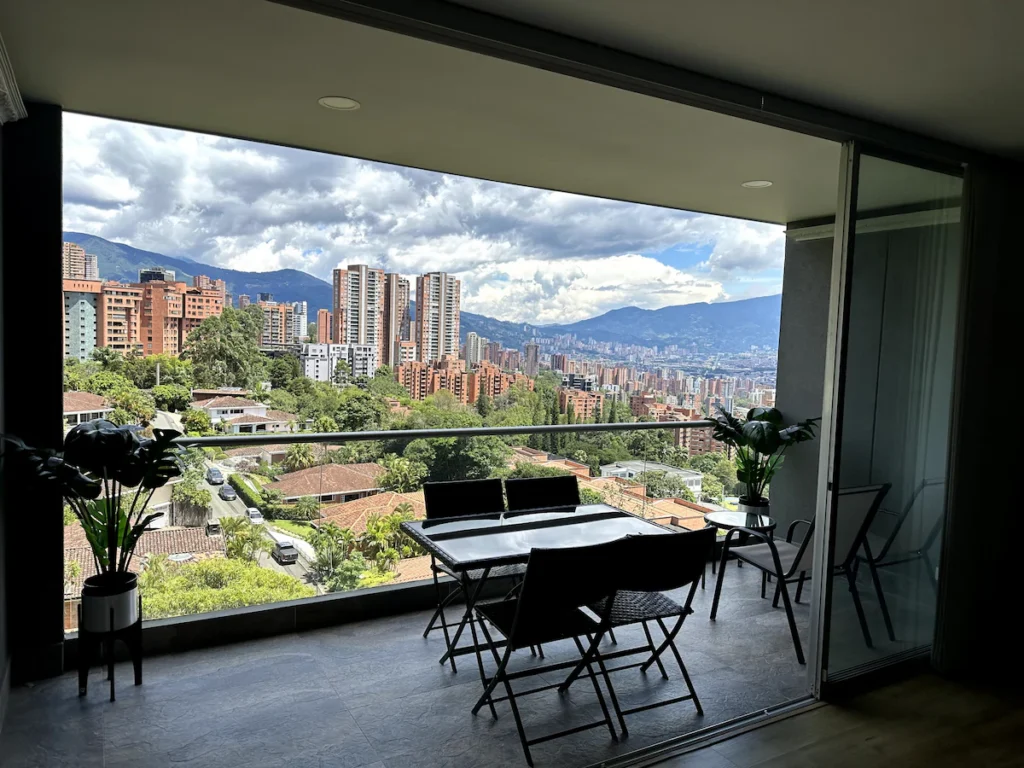
Medellín has excellent weather, public transportation, green neighborhoods and a social energy that makes it easy to understand the attraction. It also has an enormous foreign-renter market that has pushed up prices in the same neighborhoods newcomers keep choosing.
Current Numbeo data for Medellín estimates about $865 a month for one person before rent. Local 2026 rental guides show an enormous spread, from basic one-bedrooms near $350 to premium properties in El Poblado around $1,700 or more. That means $1,500 can still work, but the old effortless version of the claim needs retirement.
If you insist on El Poblado, order delivery constantly and treat every weekend like a bachelor party with a passport, $1,500 will be gone before your Spanish improves. Neighborhoods such as Laureles have also become more expensive, so compare areas such as Belén, Envigado or Sabaneta based on your transportation and safety needs rather than merely chasing a low listing price.
Medellín also deserves a serious safety note. Review the current U.S. State Department guidance for Colombia, avoid flashing wealth and do not let lower prices switch off the judgment you would use in an unfamiliar American city.
Buenos Aires: A $1,500 Cultural Feast With Unstable Math

Buenos Aires gives you grand architecture, late dinners, bookstores, neighborhood cafés, dance, parks and enough excellent conversation to make you reconsider everyone you have ever dated.
It is also a place where economic conditions and currency values can make an article about prices age like an avocado.

Numbeo currently estimates nearly $900 per month before rent for one person. That makes $1,500 possible but tight, particularly for a furnished short-term apartment in Palermo, Recoleta or other popular districts. Residents willing to live farther from the postcard, cook some meals and use the city’s extensive transit system can do better.
Do not build your plan around an exchange-rate trick you saw in an old video. Check the rate, card rules and cash situation shortly before departure. Buenos Aires can still deliver extraordinary value in food, culture and quality of daily life, but it is no longer wise to treat yesterday’s viral budget as today’s bank statement.
Sofia: Affordable Europe, but $1,500 Has to Wear Sensible Shoes

Sofia offers mountain access, public transportation, history, nightlife and the practical advantage of being in an EU capital without the housing costs of Paris or Amsterdam.
It is not, however, the cheapest entry on this list. Current 2026 reporting places a budget-conscious Sofia lifestyle around €1,000 to €1,300, while a more comfortable expat setup can reach €1,500 to €2,000. At the current dollar-euro relationship, a strict $1,500 budget requires careful housing, fewer taxis and some home cooking.
That still may represent a major improvement over a comparable American city. Just understand what the money is purchasing: a modest European urban life, not champagne aristocracy. Central rents, winter utilities and frequent travel through Europe can quickly move Sofia from “affordable home base” to “why is my credit card texting me?”

Before planning a longer stay, review Bulgaria’s official U.S. travel information, including limits on tourist stays.
The Neighborhood Tax Nobody Warns You About
Almost every affordable city has two overlapping economies.
One is built around local salaries: neighborhood markets, transit, ordinary restaurants, local gyms and unfurnished long-term apartments.
The other is built around visitors earning foreign currency: design-forward rentals, English-speaking services, imported groceries, rooftop bars and restaurants where the menu arrives before you ask for it.
Neither economy is morally superior, and newcomers should not expect local landlords or businesses to subsidize our lifestyle. But you need to know which one you are pricing.

The difference between a $450 apartment and a $900 apartment may be six blocks, a pool, newer furniture and the phrase “digital nomad ready.” The difference between a $3 breakfast and a $14 breakfast may be whether the restaurant serves the food locals eat or the food Americans photograph.
The goal is not to perform poverty or bargain down everyone you meet. The goal is to choose local life where it genuinely fits you, pay fair prices and avoid purchasing conveniences you do not value.
Local Food Wins; Imported Nostalgia Sends the Invoice

Food budgets abroad usually go wrong in one of two directions.
The first person eats every meal in a tourist district because “it is still cheaper than New York.” The second buys imported brands because a familiar box of cereal has become an emotional-support animal.
I understand both impulses. Sometimes you want the burger. Sometimes you need peanut butter that tastes like home. But if imported food becomes your default, the budget loses one of its greatest advantages.

Build most of your diet around local produce, staples and restaurants. Then keep a line in the budget for familiar comforts. A life you resent is not sustainable simply because the spreadsheet approves it.
What the Viral $800 Budget Forgot

The most seductive online budgets often leave several expenses outside the frame:
- Visa applications, extensions, border trips and document fees
- International health or travel insurance
- Medication, dental care and routine appointments
- Flights home for holidays, family needs or emergencies
- Furnishing deposits and utility deposits
- ATM, conversion and foreign-transaction fees
- Coworking day passes when the apartment Wi-Fi fails
- Replacing a phone or laptop abroad
- Taxes and professional advice
- Dating—which remains capable of destroying a budget in every known currency
Before choosing a destination, review the State Department’s destination information and advisories, compare card exchange rates, check entry rules through the destination’s official immigration authority and price health coverage based on your actual age and medical needs.
At middle age, I no longer consider “I will probably be fine” to be an insurance policy.
Why Slow Travel Is the Financial Superpower
The faster you move, the more you pay.

Every new city creates another flight or bus ticket, airport transfer, short-term booking premium, restaurant-learning curve and day lost to logistics. You also never stay long enough to discover the inexpensive grocery store, the honest barber, the reliable café or the landlord who offers a better monthly rate.
Slow travel turns a destination into a home base. A three-month stay can unlock better rent, reduce transportation costs and give relationships time to become real. You are no longer paying admission to a city every seven days.
It also produces a better life. You can work a normal week without feeling guilty that you did not visit twelve attractions before lunch. You can have a favorite table. People begin to recognize you. The city stops being a backdrop and starts becoming a place where you live.
That is worth more than saving $200.
The $1,500 Answer
So, can you live abroad on $1,500 a month?

Yes—in some cities, with the right housing, a resident’s rhythm and a separate emergency fund. Da Nang offers the strongest breathing room. Chiang Mai and Tbilisi can be comfortable with sensible choices. Medellín and Buenos Aires require more discipline than their reputations suggest. Sofia is possible at the budget end but is increasingly better treated as a $1,800-or-more city.
The deeper answer is that the number is not the dream.
The dream is waking up without your entire income already assigned to survival. It is having enough margin to take a walk, build something, call your family, meet someone for coffee or change direction without first asking permission from your rent.
I discovered this life later than the people who usually advertise it. That may be why I appreciate it differently. I am not trying to prove I escaped adulthood. I am trying to use adulthood more intelligently.
Moving abroad will not fix your personality, eliminate taxes or make every day beautiful. You will still have deadlines. You will still lose socks. Some mornings, paradise will have weak Wi-Fi.

But in the right place, $1,500 can buy more than affordability. It can buy room to breathe—and once you have lived with that room, it is very difficult to pretend you never needed it.
Continue the series: Before comparing cities, start with The American Dream May Be Cheaper Outside America for the larger strategy behind testing life abroad, protecting your connections at home and building portable income.
Next: Don’t Quit Your Job Yet: Test the Digital-Nomad Life for 30 Days.
Editorial note: Cost estimates were reviewed in August 2026 and are intended for planning, not as financial, tax, immigration or legal advice. Prices and entry rules can change quickly. Verify current terms before booking or relocating.















+ There are no comments
Add yours