

The Softest Thing in the Room May Also Be the Sharpest
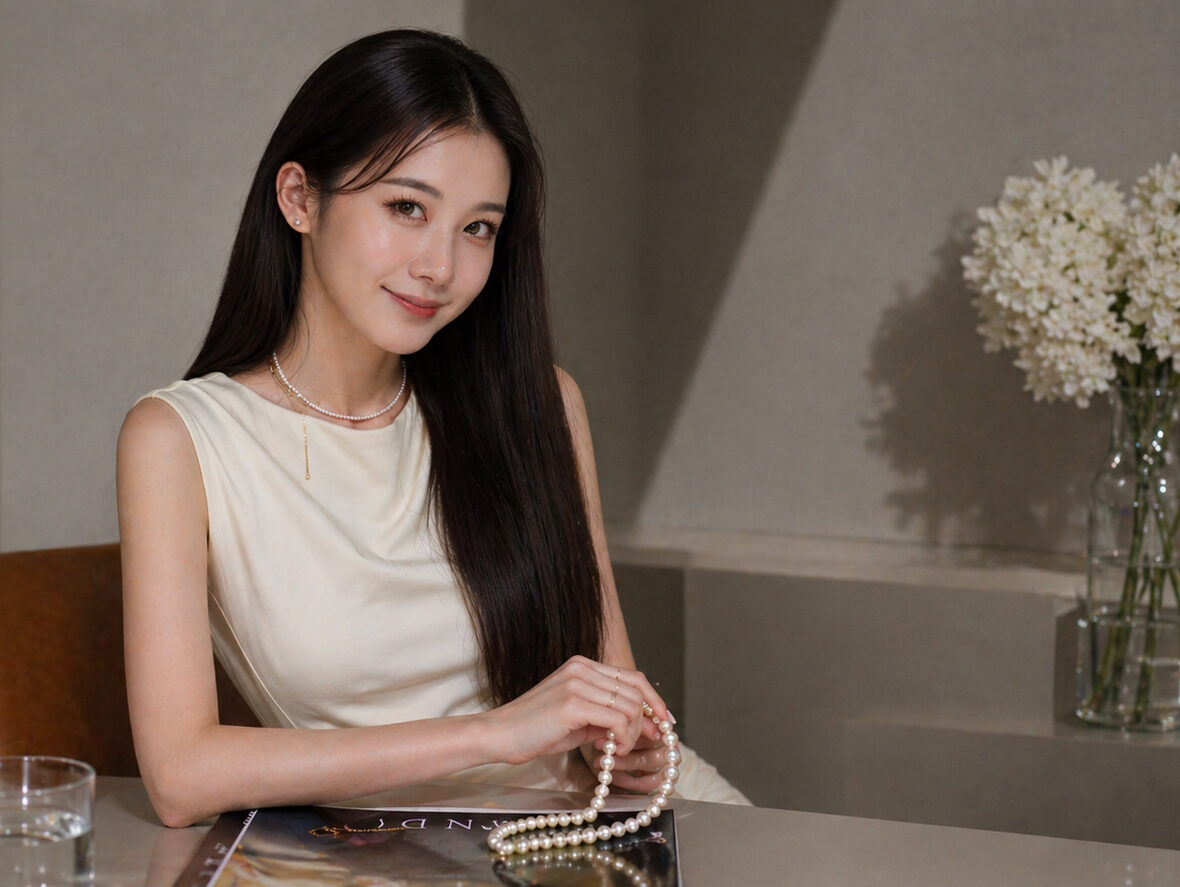
There is a very specific kind of woman who leaves a meeting, answers three emails before the elevator reaches the lobby, crosses time zones like other people cross streets, and still somehow remembers that jewelry should not become one more tiny, glittering inconvenience.
Vera Lyu seems to know that woman intimately.
Actually, she may be that woman.
The founder of VeraPearl, Lyu built her brand around a deceptively simple frustration: why should jewelry feel like it belongs to one isolated moment, when modern women live in motion? During her time working in a United Nations office environment, she moved between structured meetings, formal rooms, and cross-cultural spaces. Her life did not pause between settings, but her jewelry often seemed to demand it.
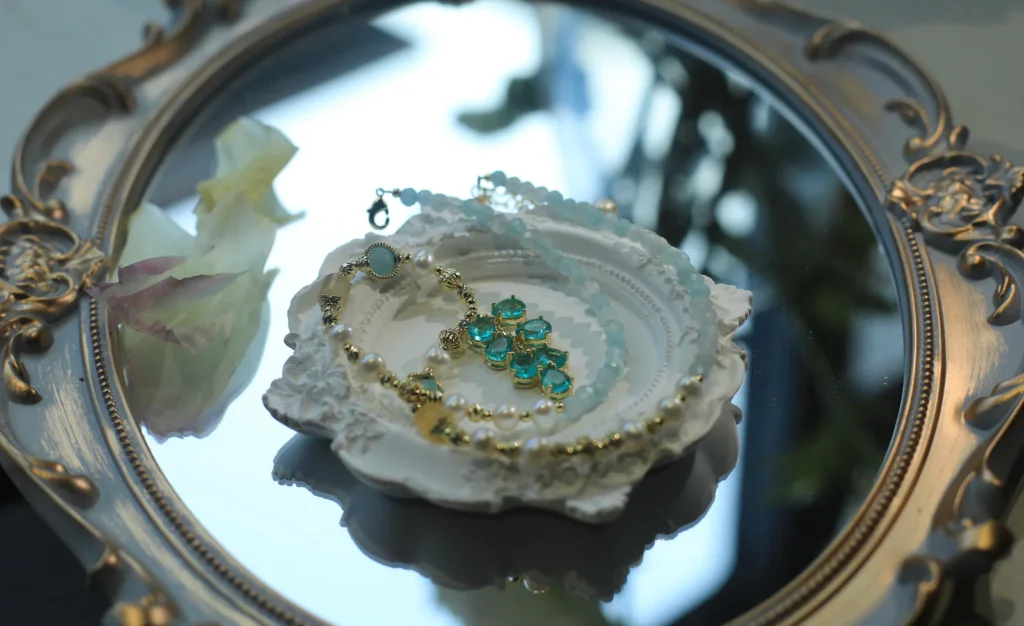
That tension became the beginning of VeraPearl: jewelry designed to move with women, not interrupt them. Pieces that can survive the morning meeting, the late dinner, the airport lounge, the gallery opening, the “I’ll just answer one more email” lie we all tell ourselves at 11:42 p.m.

Pearls, But Make Them Work for a Living
Pearls have always had a bit of a reputation problem. Beautiful? Of course. Classic? Obviously. But sometimes they arrive with the emotional energy of a grandmother’s jewelry box, a debutante luncheon, or a woman named Mildred judging your hemline from across a country club.
Lyu is not interested in that version.
She grew up in one of the world’s leading pearl regions, where pearls were not distant luxury objects. They were familiar. Almost everyday. Something close enough to touch, understand, and eventually question. Later, after studying at Columbia University and working in global institutional spaces, she noticed that much of the pearl jewelry on the market felt too traditional, too occasional, too poor in quality, or simply too boring for the way women actually live now.
So she did something wonderfully dangerous.
She decided to reimagine the pearl.

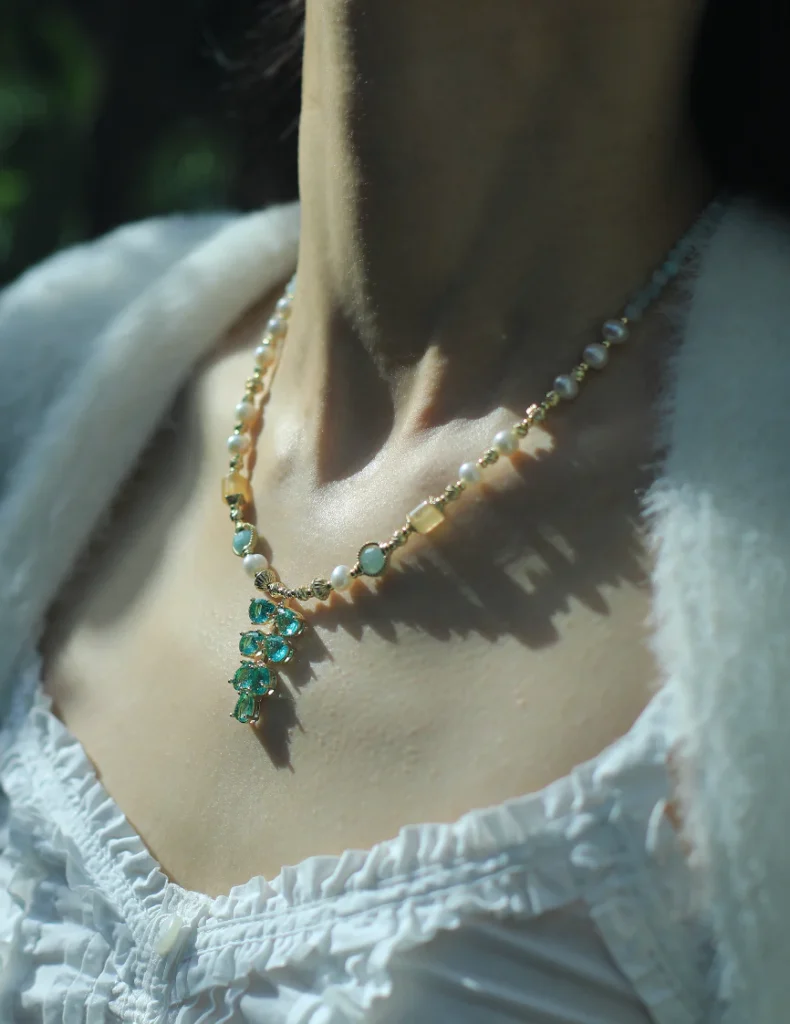
Not as a delicate symbol of restraint, but as a material of endurance. Pearls, after all, are formed slowly, layer by layer, in response to their environment. That is not fragility. That is survival with better lighting.
The Brand Wasn’t Born From a Mood Board. It Was Born From a Problem.
What makes VeraPearl interesting is that it does not feel like a brand invented by someone trying to fill a market gap from a spreadsheet. It feels more personal than that. Lyu did not start with the question, “What will sell?” She started with, “Why does this not exist yet?”
Her idea was jewelry that could carry a woman through different parts of her day without demanding a costume change. That may sound simple, but in practice, simplicity is usually where designers go to suffer quietly.
Working with natural pearls meant dealing with variation, balance, structure, sourcing, and craftsmanship. No two pearls are exactly alike, which is poetic until you are trying to build a consistent product line. Then poetry becomes logistics, and logistics becomes a migraine wearing satin gloves.
Lyu had to build everything from scratch: product development, design language, sourcing relationships, brand identity, and the larger story behind the work. What emerged was not just jewelry, but a philosophy. VeraPearl is about movement, continuity, and the kind of elegance that does not need to announce itself loudly to be taken seriously.

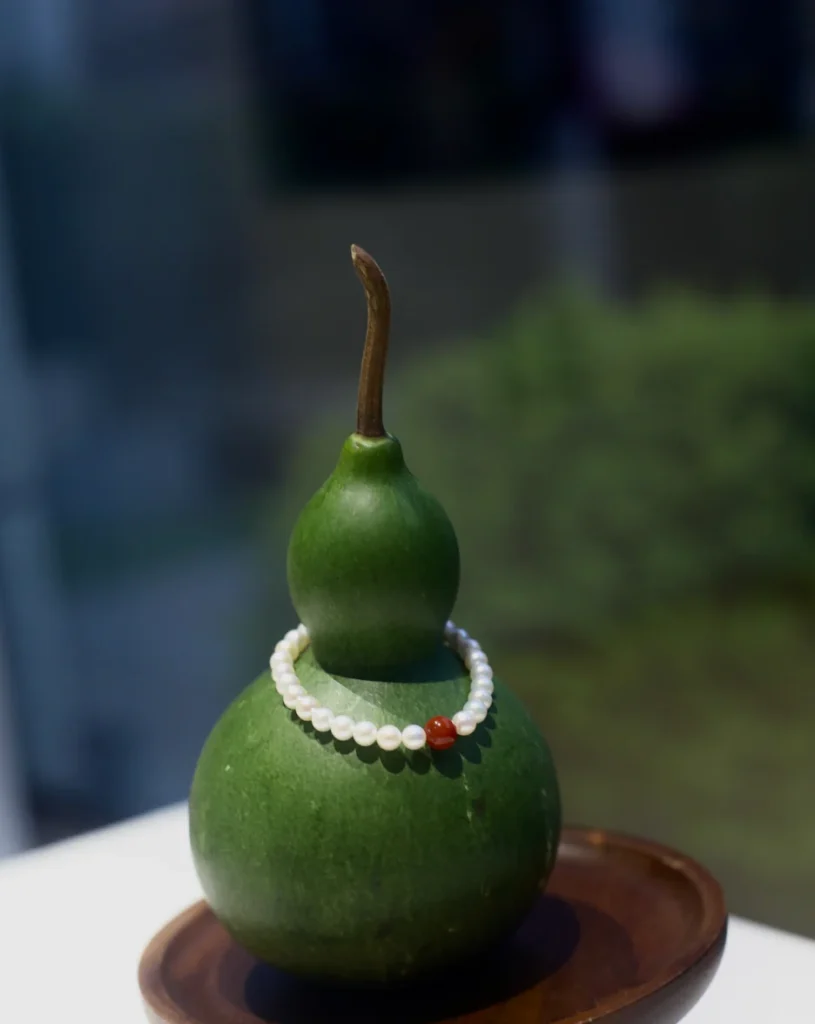
Her Biggest Challenge Wasn’t Motivation. It Was Finding People Who Understood Precision.
Entrepreneurship loves to talk about grit. Wake up earlier. Work harder. Manifest until your coffee files a complaint.
But for Lyu, one of the hardest early challenges was not motivation. It was partnership.
VeraPearl required collaborators who understood subtlety: the right metal components, the right assembly, the right finish, the right relationship between pearl and structure. Many factories are built for speed and scale. VeraPearl needed patience and refinement.
That is a very different ask.
Pearls complicate everything because they refuse to behave like identical little soldiers. Their natural variation means every piece requires a considered approach. The beauty is in the irregularity, but the design has to hold it all together. That takes craftsmanship, not just production.
And this may be one of the quiet truths of Lyu’s brand: the patience required to build VeraPearl is the same patience embedded in the material itself.
Layer by layer. Decision by decision. No shortcuts. No panic-growth. No “let’s just make it cheaper and hope nobody notices.”
People notice.
Especially women.
She Is Not Afraid of Competition Because Her Brand Has a Memory
When asked about competition, Lyu does not respond like someone trying to win a shouting match in a crowded marketplace. She does not seem intimidated by other jewelry brands because VeraPearl comes from a specific intersection: childhood familiarity with pearls, formal gemological training, international work experience, and a lived understanding of how women move through high-pressure environments.

That is hard to copy.
A competitor can make pearl jewelry. A competitor can make modular pieces. A competitor can borrow the language of empowerment and sustainability until the words start to feel like lobby furniture.
But VeraPearl’s point of view comes from Lyu’s own geography, education, work, and daily observations. She has moved through duty stations in New York, Geneva, Shanghai, and back to New York. She has watched women navigate formal, fast-paced, global rooms where beauty has to coexist with practicality.
That experience is not decoration. It is research.
The Vera Wang Influence Makes Perfect Sense
Lyu names Vera Wang as someone she has long admired, and suddenly the whole thing clicks into place.
Vera Wang has always understood that elegance is more interesting when it has an edge. Her work often feels timeless without being frozen. Refined, but not obedient. Romantic, but not sleepy.
Lyu even wore Vera Wang on her wedding day, paired with her own jewelry. It is a beautiful image: one Vera’s design meeting another Vera’s future.
That balance—classic but moving forward—seems to live at the heart of VeraPearl. The brand does not reject tradition. It edits it. It asks what should stay, what should evolve, and what should finally be released from the grip of “because we’ve always done it this way.”
Comfort Is Not the Goal. Alignment Is.
One of Lyu’s most revealing answers comes when she is asked whether she feels comfortable with where the business is now.
She says she feels aligned, not comfortable.
That is a sharper answer than it first appears.
Comfort can be dangerous for a founder. Comfort wants repetition. Alignment wants clarity. Comfort asks, “Can we stay here?” Alignment asks, “Are we still moving in the right direction?”
Lyu seems less interested in rushing toward scale than in deepening the brand’s language. She wants VeraPearl to grow with precision, not panic. In an era where every new brand is told to get bigger, faster, louder, and more algorithmically desperate, her answer feels almost rebellious.
She would rather be precise.
Honestly, in fashion and jewelry, precision may be the sexiest growth strategy left.

The Legacy Is Not Old-Fashioned. It Is Modular.
VeraPearl’s idea of legacy is not about stiff heirloom jewelry trapped in velvet boxes. It is more contemporary than that.
Through modular design, the brand aims to reduce excess by allowing one piece to adapt across multiple contexts. A piece can change without being replaced. The woman wearing it can move through her life without needing five separate versions of herself lined up on a dresser.
That is the real modern luxury: not more stuff, but better stuff. More intelligent stuff. More emotionally useful stuff.
Lyu also connects the brand to responsible production and women-led craftsmanship. Sustainability, in her view, is not a marketing sticker slapped onto the end of the process. It belongs in the structure of the brand itself.
Vera Lyu Is Not Chasing a Trend. She Is Designing Against Time.
Some businesses are built for the moment. VeraPearl seems built against the moment.
That does not mean old-fashioned. It means resistant to disposability.
Lyu understands that many brands today are trend-based and short-cycle. But pearls have outlived trends, centuries, dinner parties, empires, and at least twelve terrible fashion predictions. They endure because they carry contradiction well: soft and strong, delicate and durable, familiar and mysterious.
VeraPearl’s task is to make that endurance feel relevant to women now.
And Lyu appears committed to doing it slowly enough that it actually lasts.
The Next Chapter: Deeper, Not Louder
When asked where she goes from here, Lyu does not talk about world domination, aggressive expansion, or becoming the loudest pearl brand in the room.
She talks about deepening.
Refining the design language. Developing the modular system further. Expanding the narrative through new pieces and new contexts. Building something consistent, intentional, and capable of holding value over time.
There is something refreshing about a founder who does not confuse speed with destiny.
Vera Lyu is not trying to make pearls trendy. She is trying to make them truthful for the lives women are actually living: layered, demanding, elegant, unfinished, and always in motion.
Which, come to think of it, is exactly how a pearl becomes a pearl in the first place.